
Group travel is its own discipline. From around ten rooms, book direct with a hotel's group sales team—never an OTA—and lock down common space, split billing and pre-arranged dining before you deposit. Below are the mechanics that make a group booking work, and the five categories each need a slightly different approach.
Affiliate disclosure: when you book through links on this site we may earn a commission at no additional cost to you. We never accept payment for placement.
Want the shortlist?
Hotel picks and subscriber-only special offers, curated weekly. Free to join.
What changes when you travel as a group
Once a booking crosses roughly ten rooms, the rules change: you move from reservations to group sales, and five things need to be negotiated rather than assumed. Handle them at booking and the trip runs smoothly; leave them to chance and they surface as problems on arrival.
Room blocks
Around ten rooms unlocks dedicated group rates and block management, and most luxury properties have a group sales contact separate from standard reservations. Always book direct with that team—third parties lose visibility on group amenities and cannot hold or adjust a block properly. Ask about the attrition clause (how many rooms you can release without penalty) and the cut-off date, which are where groups most often get caught.
Common space
A group needs somewhere to gather: a private dining room, a meeting room, a reserved terrace or a lounge. Confirm this exists and is reserved for your dates before you place a deposit—it is the amenity most often quietly unavailable once the block is confirmed.
Billing
You want separate folios per room with a master folio for shared group expenses, so individuals settle their own extras while the organiser covers the group tab. Most luxury properties can do this, but confirm it in writing; unpicking a single combined bill at checkout for twenty rooms is a genuinely bad way to end a trip.
Dining
Pre-arrange group dinners with set, customised menus. Walking a twelve-person group into a restaurant unannounced rarely ends well, and it strains a kitchen that could have delivered something excellent with notice.
Activities
The concierge can schedule activities across the group—boats, spa blocks, sports, tastings—but only if you brief at booking. Last-minute group activities for a dozen people rarely come together.
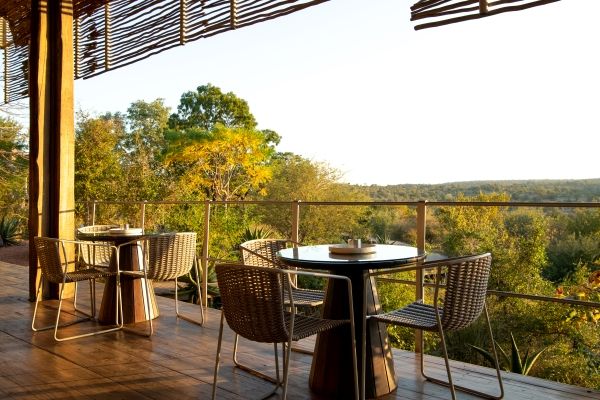
The five categories of group travel
Every group booking falls into one of five types, and each maps to a different property style and booking pattern. Identify yours first; it narrows the search dramatically.
1. Full-property buyouts
For 30-plus (or smaller groups wanting total privacy), reserving an entire property removes other guests and hands you the schedule. Verified examples include Twin Farms in Vermont, an all-inclusive estate of around 20 rooms, and Singita's Castleton, a 12-bed exclusive-use farmhouse in South Africa. Buyouts cost two to three times a floor block, so reserve them for occasions that genuinely need the privacy.
2. Corporate retreats
Offsites with meeting space, AV and group dining have their own requirements—covered in depth in our corporate retreat hotels guide. Book 12 months ahead for 30-plus, with a site visit around six months out.
3. Family reunions
Multi-generational stays need villa architecture, connecting rooms and space that works for both toddlers and grandparents. See multi-generational family reunion hotels for properties built for it.
4. Wedding parties
Group wedding accommodation combines room blocks with ceremony and reception space; most resorts handle this with depth and a dedicated wedding team. Our destination wedding collection is the place to start.
5. Friend-group trips
Smaller groups of 6–12 usually do best in a shared villa with a pool-and-beach focus rather than a formal block. See friend-group villa trips for the format.
Which category needs a block, and which needs a buyout?
Group size and the need for privacy decide the structure. This is the quick decision aid our editors use.
| Category | Typical size | Structure | Book ahead |
|---|---|---|---|
| Full buyout | 20–40+ | Entire property | 9–18 months |
| Corporate retreat | 15–50 | Floor block or buyout | 12 months |
| Family reunion | 10–30 | Villas / connecting rooms | 6–12 months |
| Wedding party | 20–100+ | Room block + event space | 9–15 months |
| Friend group | 6–12 | Shared villa | 3–6 months |
Five rules for booking a group
- Always book direct with hotel group sales, never an OTA—the amenities live there.
- Confirm common space before the deposit: private dining, meeting room or reserved terrace.
- Pre-arrange every group meal with set, customised, deposited menus.
- Brief the activities calendar at booking—boats, spa, sport—not on arrival.
- Budget roughly a 20% premium over individual rates for the coordination and space.
One caution worth adding: read the attrition and cancellation clauses closely. A block that looks generous can carry penalties if you release rooms after the cut-off date, and for weddings and reunions—where the final headcount always moves—those clauses decide how much flexibility you actually have.
The group-booking mistakes that cost the most
Most group-trip regrets trace back to three avoidable errors: booking piecemeal, ignoring the attrition clause, and leaving dining and activities to chance. Booking rooms individually instead of as a block forfeits the group rate, the common space and the split-billing setup—and once the block is gone, the hotel cannot retroactively bundle scattered reservations. The attrition clause is the quiet one: agree to 20 rooms, fill 14, and you can be charged for the shortfall unless you release rooms before the cut-off date, so negotiate a realistic block and a generous release window up front.
The third error is social rather than financial. Groups that do not pre-arrange dinners and activities end up making decisions by committee on the day, which is slow and rarely satisfies everyone. Set the meals and the big activities at booking, keep one or two evenings free for people to peel off, and appoint a single organiser as the hotel's point of contact—a group with one clear voice gets far better service than a dozen people emailing reservations separately.
How we researched this
This pillar synthesises how luxury properties structure group bookings, cross-checked in July 2026. The buyout examples named—Twin Farms and Singita Castleton—were verified as operating exclusive-use properties. We link to the category guides rather than listing every property here so each type gets the depth it needs; specific rates are described in ranges because group and buyout pricing is negotiated case by case.
Frequently asked questions
How many rooms do you need for a group rate? Around ten rooms unlocks a dedicated group rate and block management at most luxury properties; above that, work with group sales rather than standard reservations.
Should I book a group through an OTA? No—book direct with group sales. Third parties lose visibility on common space, split billing and pre-arranged dining.
Can a hotel split the bill across rooms? Most luxury properties run separate folios per room with a master folio for shared costs; confirm it in writing before the deposit.
What are the main types of group travel? Buyouts, corporate retreats, family reunions, wedding parties and friend-group trips—each with its own pattern.
Go deeper by category: large group buyouts, corporate retreats, family reunions, sports team bookings, and the best meeting rooms. Browse all destinations to start planning.