London's best luxury hotels cluster in three neighbourhoods: Mayfair for heritage grandeur, Knightsbridge for formal luxury and shopping, and Chelsea and Marylebone for quieter residential stays. For a first visit, Claridge's or The Connaught in Mayfair are the surest choices; repeat visitors should look to The Cadogan or The Marylebone. Here is how the strongest properties compare.
Affiliate disclosure: when you book through links on this page we may earn a commission at no extra cost to you. We never accept payment for placement, and every hotel here was verified as open and bookable in July 2026.
How should you choose a London hotel?
Choose by neighbourhood first, then by the kind of trip. London's luxury is concentrated tightly enough that the district you pick shapes your days more than the individual hotel does. Mayfair keeps you among Bond Street boutiques, the parks, and the grandest dining rooms; Knightsbridge is built around Harrods and formal, service-led hotels; Chelsea and Marylebone trade a little prestige for a calmer, more local rhythm. Decide whether you want to be in the thick of it or one street back, and the shortlist narrows quickly.
Want the shortlist?
Hotel picks and subscriber-only special offers, curated weekly. Free to join.
The Mayfair grand hotels
Mayfair holds London's densest run of heritage luxury, and for a first visit it is the neighbourhood to beat. These three anchor it.
Claridge's
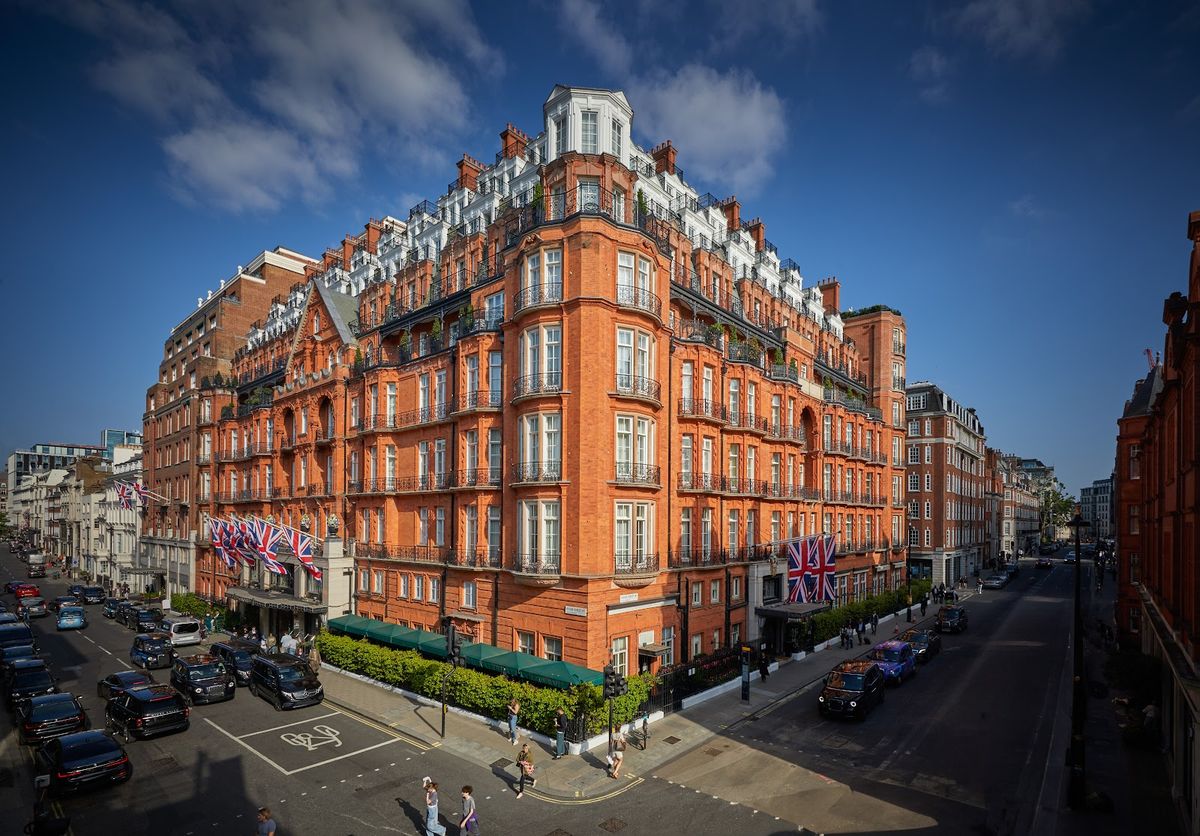
The most iconic luxury hotel in London. Claridge's pairs preserved Art Deco interiors with a century of royal and design-world association, and its afternoon tea is among the most requested reservations in the city. The con: that fame comes at a price and a crowd — the public rooms buzz, and the quietest suites carry the steepest rates. Book it for the occasion and the atmosphere, not for seclusion.
The Connaught
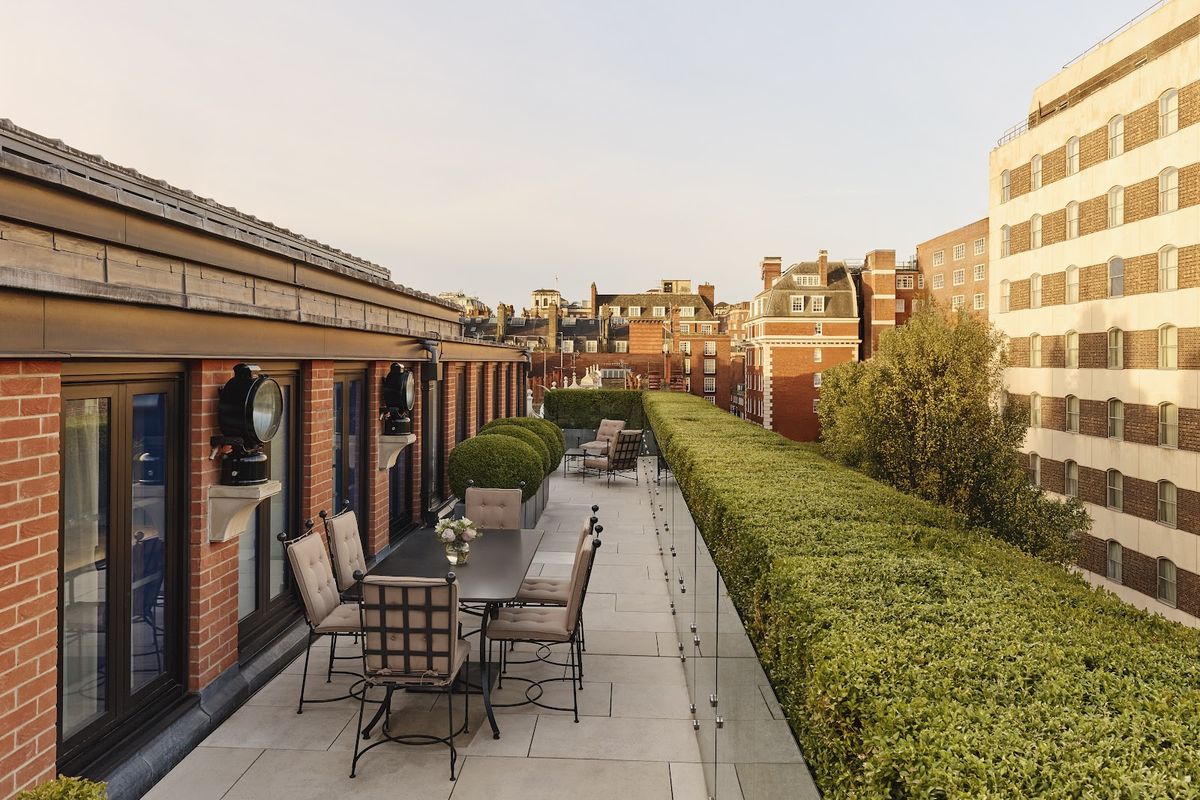
The senior choice for business and formal celebrations. The Connaught combines discreet Edwardian architecture with some of London's best dining and a bar that has repeatedly ranked among the world's finest, which makes it the natural base for a working trip that still feels like an occasion. The con: its reserve reads as formal rather than fun, and the Mayfair-corner setting is refined but quiet; travellers who want buzz may prefer Claridge's.
The Beaumont

The underrated Mayfair pick. The Beaumont is smaller in scale, and its most distinctive feature — the sculptural ROOM suite by Antony Gormley — is unlike anything else in a London hotel, which rewards design-minded and repeat visitors. The con: the modest room count means limited availability and few of the sprawling suites the bigger houses offer, so book early and manage expectations on space.
The Knightsbridge and Hyde Park hotels
Knightsbridge is the address for formal, service-led luxury and department-store shopping, with Harrods and Hyde Park on the doorstep.
The Berkeley
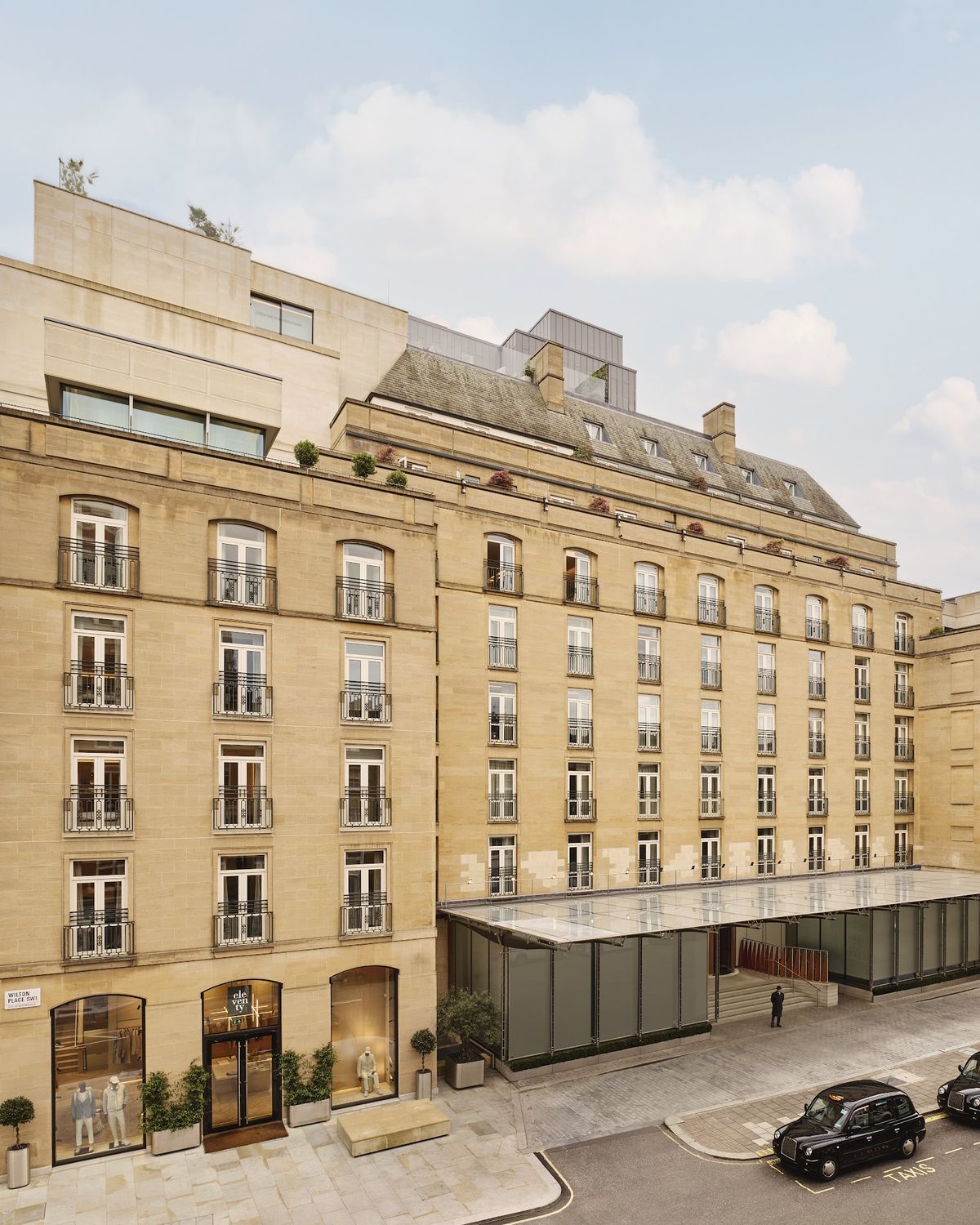
Heritage Knightsbridge with a rare central rooftop pool. The Berkeley blends a classic address with a genuinely modern edge, from its rooftop swimming to its fashion-themed afternoon tea, making it a strong all-rounder for couples and business travellers alike. The con: it sits among London's priciest, and its contemporary refurbishments divide traditionalists who expect a more classical grand-hotel feel.
The Lanesborough
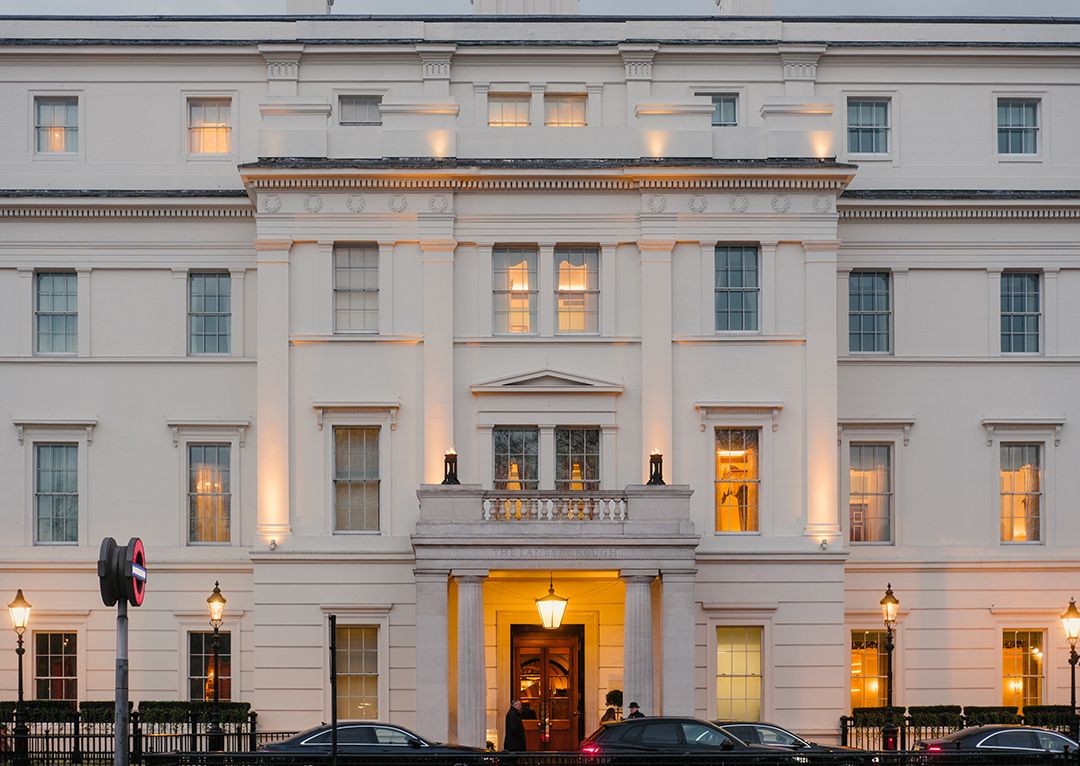
The most formal luxury hotel in London. The Lanesborough offers butler service in every room and a Regency-styled interior that leans fully into traditional British ceremony, which suits milestone celebrations and guests who want service at its most attentive. The con: that formality can feel stiff, and the heavily classical decor is a specific taste; design-forward travellers often prefer Bulgari or The Berkeley.
Bulgari Hotel London
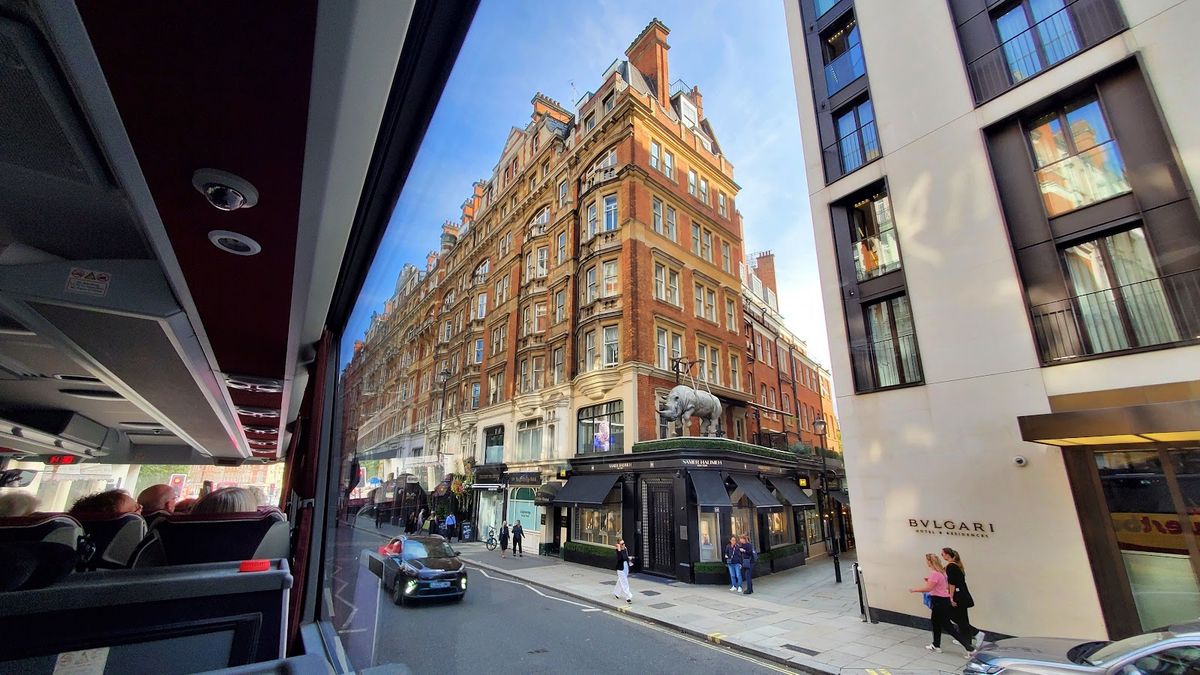
Contemporary Italian luxury a block from Harrods. Bulgari Hotel London draws a younger, design-conscious crowd with its dark-glamour interiors, large spa, and one of the best hotel pools in the city, a clear contrast to the heritage houses nearby. The con: the moody, low-lit aesthetic and scene-led bar are not for everyone, and it offers less of the classic London-grand-hotel romance some visitors come for.
Chelsea and Marylebone, for repeat visitors
Once you know London, a quieter, residential base often beats a front-row seat. Chelsea and Marylebone deliver exactly that. The Cadogan, a Belmond Hotel sits on the Chelsea–Knightsbridge border, recently restored and among the most discreet grand hotels in town, ideal for travellers who want luxury without the lobby scene. In Marylebone — one of London's most liveable districts — The Marylebone offers polished, slightly more relaxed comfort near Marylebone High Street's independent shops and cafes, a smart-value alternative to Mayfair rates. Both reward guests who value neighbourhood life over prestige addresses; see our where to stay in London guide for how the districts compare block by block.
Which London hotel fits your trip?
Match the hotel to your neighbourhood and the shape of your visit. The table lines up the picks on district, standout strength, and who they suit best.
| Hotel | Neighbourhood | Best for | Signature strength |
|---|---|---|---|
| Claridge's | Mayfair | First visits, occasions | Art Deco icon, afternoon tea |
| The Connaught | Mayfair | Business, formal dining | Bar and restaurant pedigree |
| The Beaumont | Mayfair | Design-led, repeat visitors | Intimate scale, Gormley suite |
| The Berkeley | Knightsbridge | All-rounder, couples | Rooftop pool |
| The Lanesborough | Hyde Park Corner | Formal celebrations | Butler in every room |
| Bulgari Hotel London | Knightsbridge | Contemporary luxury | Spa and pool |
| The Cadogan | Chelsea | Discreet, repeat visitors | Quiet, restored elegance |
| The Marylebone | Marylebone | Value-conscious luxury | Liveable district |
When should you visit London?
Late spring and early autumn give London its best weather and fullest calendar. May and June are warm and dry and ideal for the parks; September brings temperate days after the summer crowds thin. December trades weather for atmosphere, with festive windows and holiday energy, while January and February deliver the lowest room rates against grey skies and a cultural calendar running at full strength. Whatever the month, hotel demand spikes around Wimbledon, Chelsea Flower Show, and the December holidays, so book those periods far ahead.
What to do beyond the hotel
The best London hotels double as concierges to a city that rewards planning. Ask yours to secure tables at the restaurants that never seem to have space, tickets to sold-out theatre, or private, out-of-hours viewings at the Tate, the National Gallery, or the big auction houses. The practical rule holds year-round: pack a coat for any month between October and April, and treat the hotel bar as part of the itinerary rather than an afterthought — in London, the hotels with the best bars tend to anchor the best trips.
How we chose
We selected hotels that lead their neighbourhood on service, atmosphere, and consistency, and confirmed each is open and bookable as of July 2026. We favoured properties with a clear identity over interchangeable chain luxury, and we note honest trade-offs — price, formality, scale — for every pick rather than presenting a flat list of superlatives. For the wider picture, see our Europe hotel guides pillar, the London hotel directory, and city rankings for Paris and Rome. See our editorial standards for how we verify.