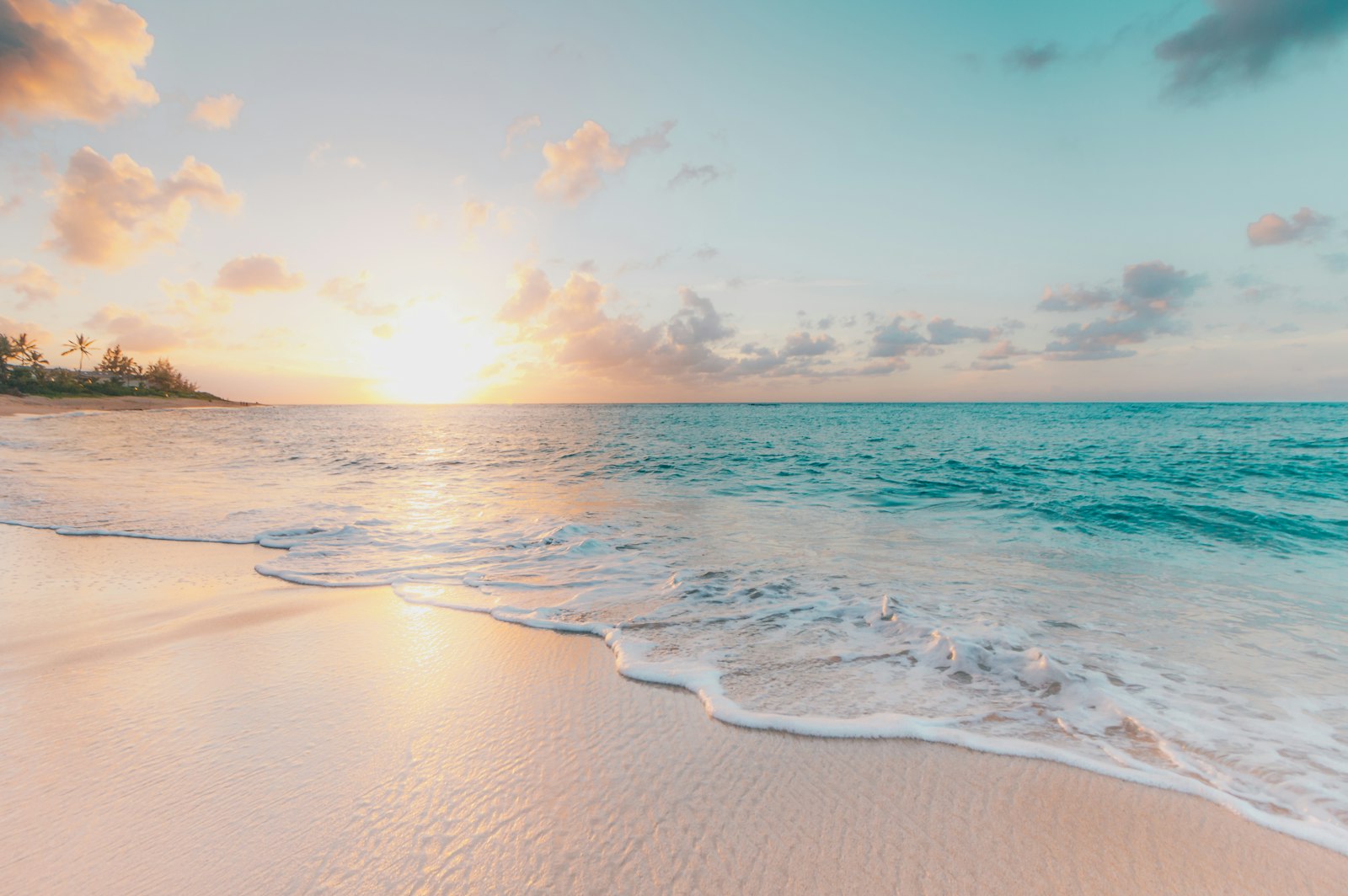
Mexico and the Caribbean are the closest serious luxury destinations for North American travellers, but they are not interchangeable. Mexico gives you scale, value, and easy flights; the small Caribbean islands give you quiet and exclusivity at a much higher price. The right pick depends on your trip type, your budget, and, critically in 2026, when you go, because sargassum and hurricane season both reshape the map.
This guide covers the seven areas where luxury hotel inventory clusters, then gives you a comparison table, a decision framework, and honest guidance on the two seasonal risks that most affect a beach trip here. It is written to help you choose a region; the destination-specific guides linked throughout go deeper on individual hotels. Everything below was checked against current dated sources, including 2026 sargassum and hurricane outlooks, before publishing.
Reading on the go?
We send the best of these guides, plus special offers, in one Sunday email.
Which destination fits your trip?
The short answer is that each area has a clear best-use case, so start with the trip rather than the map. Mexico's Caribbean coast is the value and family engine, Los Cabos is the Pacific design-and-golf pick, and the smaller Caribbean islands trade price for exclusivity. The table below is the fastest way to narrow the field before you read on.
| Destination | Best for | Price tier | Best months |
|---|---|---|---|
| Tulum | Design-led couples, wellness | High | Nov to Apr |
| Cancun / Riviera Maya | Families, all-inclusive | Mid to high | Dec to Apr |
| Cabo San Lucas | Anniversaries, design, golf | High | Oct to May |
| Caribbean islands | Beach variety by island | Mid to very high | Dec to Apr |
| Costa Rica | Eco-luxury, adventure | Mid to high | Dec to Apr (dry season) |
| Jamaica | Culture, value luxury | Mid | Nov to Apr |
| St. Barths | Milestone anniversaries, exclusivity | Very high | Dec to Apr |
What defines each of the seven destinations?
Each area earns its place for a different reason, so the notes below focus on what actually distinguishes them rather than restating that they all have beaches and sun.
Tulum, Mexico
Tulum is the design-and-wellness capital of the Yucatan, where jungle meets a thin barrier beach and the hotels lean toward barefoot luxury rather than marble lobbies. It rewards couples who care about aesthetics, yoga, cenote swimming, and long dinners over a big pool scene. The honest caveat is that Tulum's open, east-facing coastline is the region's worst-hit for sargassum seaweed in the summer months, so timing matters more here than almost anywhere else on this list. See best hotels in Tulum 2026.
Cancun and Riviera Maya, Mexico
This is the value and family engine of the whole region. The Riviera Maya stretches south from Cancun airport through Playa del Carmen to the reef towns, packed with polished all-inclusive resorts, calm reef-protected swimming, and the easiest flights from North America. It is the strongest choice for multi-generational family trips and for anyone who wants a lot of hotel for the money. See best hotels in Cancun 2026.
Cabo San Lucas, Mexico
Los Cabos, on the Baja Pacific, is where Mexico's newest generation of design-led luxury has landed, along with serious golf and a dramatic desert-meets-ocean setting. Crucially, it sits outside the Caribbean sargassum belt, so the beach question is different here: the draw is the scenery and the resorts, while strong Pacific surf means swimming is often better in the hotel pool than the sea. It is a natural anniversary and weekend-escape pick. See best hotels in Cabo San Lucas 2026.
The Caribbean islands
The Caribbean is not one destination but dozens, and the islands genuinely differ. Anguilla is long white beaches and low-key money; Antigua sells itself on a beach for every day of the year; the Dominican Republic is the value giant; Turks and Caicos centres on the extraordinary Grace Bay. Choosing the island is the real decision, and it should follow your priority on beach type, flight length, and budget. See best hotels in the Caribbean islands.
Costa Rica
Costa Rica is the eco-luxury alternative to a pure beach trip, pairing rainforest, volcanoes, and wildlife with a growing set of genuinely high-end lodges and resorts on the Pacific coast. It suits active couples and families who want their days filled with more than a lounger, and it is the pick when nature is the point. Note the seasons run differently here: the dry season, roughly December to April, is the reliable window. See best hotels in Costa Rica 2026.
Jamaica
Jamaica offers Caribbean cultural depth, music, food, and a strong sense of place, at friendlier pricing than the elite small islands. The luxury cluster sits mainly around Montego Bay, Ocho Rios, and the boutique end of Negril, and it rewards travellers who want the Caribbean to feel like somewhere specific rather than a generic beach. See best hotels in Jamaica 2026.
St. Barths
St. Barths is the top of the Caribbean luxury market: a small, French, glamorous island where prices run dramatically higher than its neighbours and the appeal is exclusivity, villas, and a refined restaurant scene. It is the milestone-anniversary and repeat-visitor pick, best in the December to April high season, and it is not the place to look for value. See best hotels in St. Barths.
What are the honest trade-offs and risks?
The two things that most often ruin a Mexico or Caribbean trip are seaweed and storms, and both are predictable enough to plan around. Being honest about them is more useful than pretending every week is a postcard.
Sargassum seaweed. Each year, mats of sargassum drift onto the Mexican Caribbean and parts of the wider Caribbean. On the Riviera Maya, including Tulum and Cancun, the season runs roughly April to October and peaks from June to August, with Tulum typically the worst affected because its coast faces the open Atlantic. Independent monitoring pointed to 2026 as an especially heavy year, so this is not a caveat to skip. By November the coast is generally clear. If a pristine beach is central to your trip, favour November to April, or choose a hotel that runs active daily beach cleaning and be realistic that no resort can guarantee a clear shoreline in peak months. The Pacific side of Mexico, Los Cabos, is outside this belt entirely.
Hurricane season. The Atlantic hurricane season officially runs June 1 to November 30, with the statistical peak from mid-September into October. Rates in these months can be a fraction of high-season pricing, which is genuinely tempting for flexible travellers, but for a honeymoon or any once-in-a-lifetime trip the weather risk usually is not worth it. If you do book in this window, buy travel insurance that explicitly covers named storms and choose somewhere with easy rebooking terms.
Price and crowding. The small Caribbean islands, St. Barths above all, cost far more than the larger islands or mainland Mexico for a comparable standard of hotel, and the December-to-March peak stacks crowds on top of the highest rates of the year. If budget or space matters more than prestige, the larger islands and the Riviera Maya deliver more for less.
When should you go for the best value?
The best value comes in the shoulder windows, late April to early June and the first half of November, when the weather is largely reliable but rates drop well below peak. Peak season, December to March, brings the most dependable weather and the highest prices; the summer and early autumn bring the lowest prices but real sargassum and storm risk. For most travellers, aiming a trip at the shoulder windows is the single most effective way to spend less without gambling on the weather. Costa Rica is the exception to watch, since its dry season, December to April, is the reliable window there and its green season brings afternoon rain.
Five rules for choosing a Mexico or Caribbean hotel
- Match the destination to the trip type first, then pick the hotel; the region matters more than the individual property here.
- Avoid the June-to-October core of sargassum and hurricane season for any high-stakes trip such as a honeymoon or a big anniversary.
- Understand that the small islands, St. Barths and Anguilla especially, cost dramatically more than the larger islands and mainland Mexico.
- Use Costa Rica when you want nature and activity, and the Baja Pacific of Los Cabos when you want design and reliable non-sargassum beaches.
- Book the shoulder windows, late April to early June and early November, for the best balance of weather and price.
For the specific hotels in each area, follow the destination guides linked above, and use our honeymoon hotels and family hotels collections to filter by the kind of trip you are planning.