South Africa has the continent's most developed luxury-safari infrastructure, and most of the best lodges cluster in the private reserves bordering Kruger, where off-road traversing rights mean closer, more frequent sightings. Below are six standouts, from the Sabi Sand's big-cat density to a Kalahari reserve that rewrites the script, with who each suits and when to visit.
Disclosure: HotelsForKings is reader-supported. When you book through links on this page we may earn a commission at no extra cost to you. We rank editorially and never accept payment for placement. Every lodge here was confirmed operating and bookable for 2026 at the time of writing.
Want the shortlist?
Hotel picks and subscriber only special offers, curated weekly. Free to join.
Quick picks by priority
Choose the reserve first, then the lodge. If wildlife density is everything, aim at Sabi Sand and MalaMala; if you want a different ecosystem, go Kalahari; if you want to fold in wine country, add a Cape stay.
| Lodge | Reserve | Best for |
|---|---|---|
| Royal Malewane | Thornybush (Greater Kruger) | Heritage service, anniversaries, families |
| Singita Lebombo | Kruger private concession | Design-led couples, big skies |
| MalaMala | MalaMala (own reserve) | Serious wildlife, photography |
| Lion Sands River Lodge | Sabi Sand | Treehouse nights, romance |
| Tswalu Kalahari | Tswalu (Northern Cape) | Repeat visitors, rare species |
| Babylonstoren | Cape Winelands | Wine-country add-on, not a Big Five safari |
The six lodges
Ranked loosely by all-round appeal, though the right choice is the one that matches your priority, service, design, density or a change of scenery.
1. Royal Malewane, Thornybush
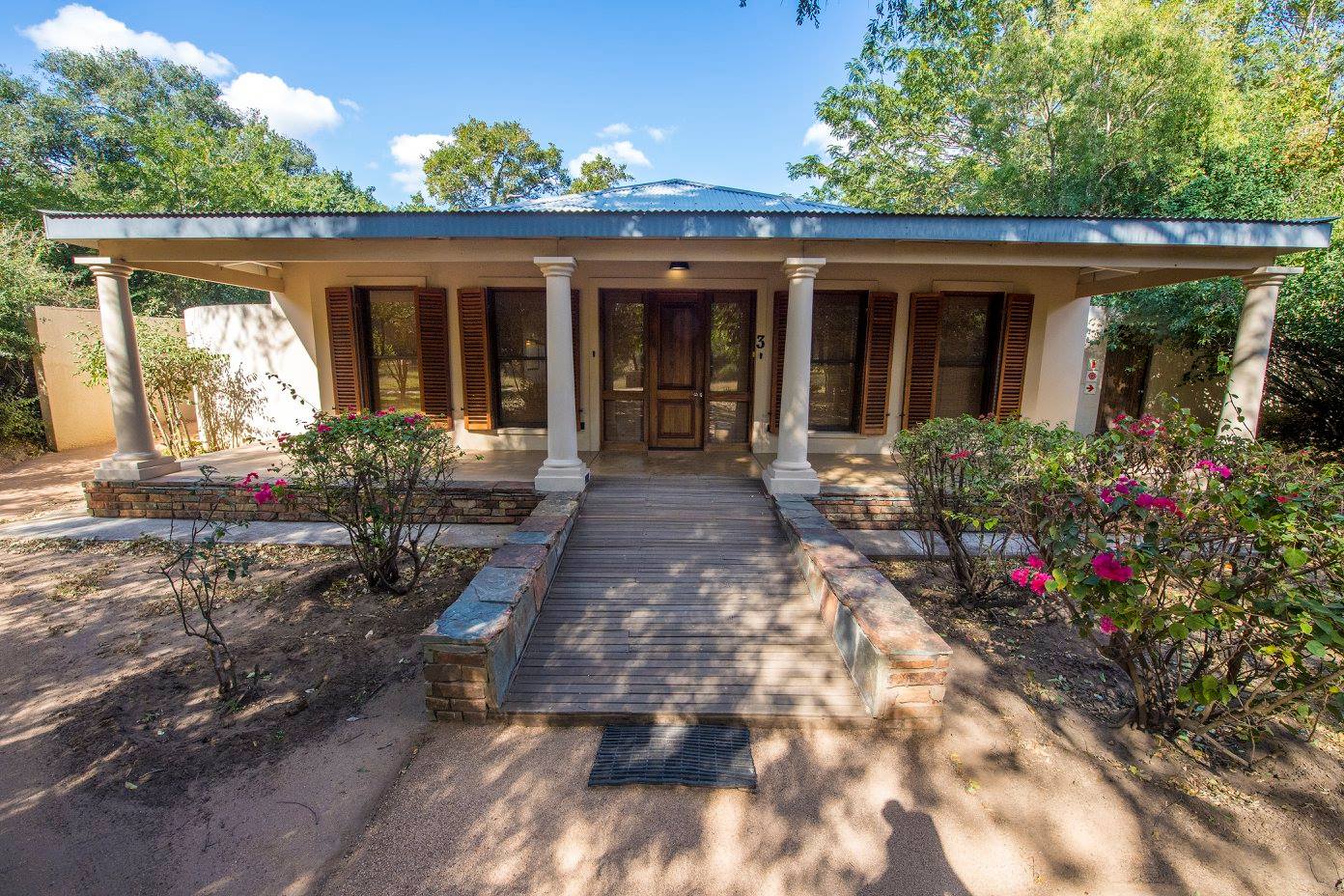
Royal Malewane sits in the Thornybush Private Nature Reserve, part of the Greater Kruger, and is the standard-setter for old-school safari luxury: some of the most experienced ranger-and-tracker teams in the country, a celebrated Bush Spa, and suite-and-villa options (including the multi-room Africa House) that suit multi-generational families and milestone trips. Best for anniversary celebrations, families taking over a villa, and longer, service-led stays.

2. Singita Lebombo Lodge, Kruger
Contrary to a common mix-up, Lebombo is not in the Sabi Sand: it occupies Singita's private 15,000-hectare concession in the far eastern reaches of Kruger National Park, on the Mozambique border, with 15 glass-walled loft suites cantilevered over the N'wanetsi River. The design is modern and light-filled rather than classic-safari, and Singita runs its lodges on on-site solar, part of a serious conservation model. Best for design-led couples, photographers who love big open country, and formal occasions.
3. MalaMala Game Reserve
MalaMala is its own 13,300-hectare reserve, one of the oldest and largest private reserves in the region, sharing an unfenced boundary with both Kruger and the Sabi Sand and famous for exceptional wildlife density along the Sand River. The style is warm and classic rather than design-forward, and the game viewing is the headline. Best for wildlife-first trips, keen photographers, and multi-generational groups who care more about the sightings than the thread count.
4. Lion Sands River Lodge, Sabi Sand
Lion Sands sits on the banks of the Sabie River in the Sabi Sand and is best known for its treehouses: the Chalkley Treehouse, the original, is built around a 500-year-old leadwood, and the newer Kingston Treehouse offers a secluded night out under the stars above the bush. The lodge itself is polished and romantic. Best for anniversary celebrations, couples wanting a treehouse night, and photographic trips.
5. Tswalu Kalahari Reserve
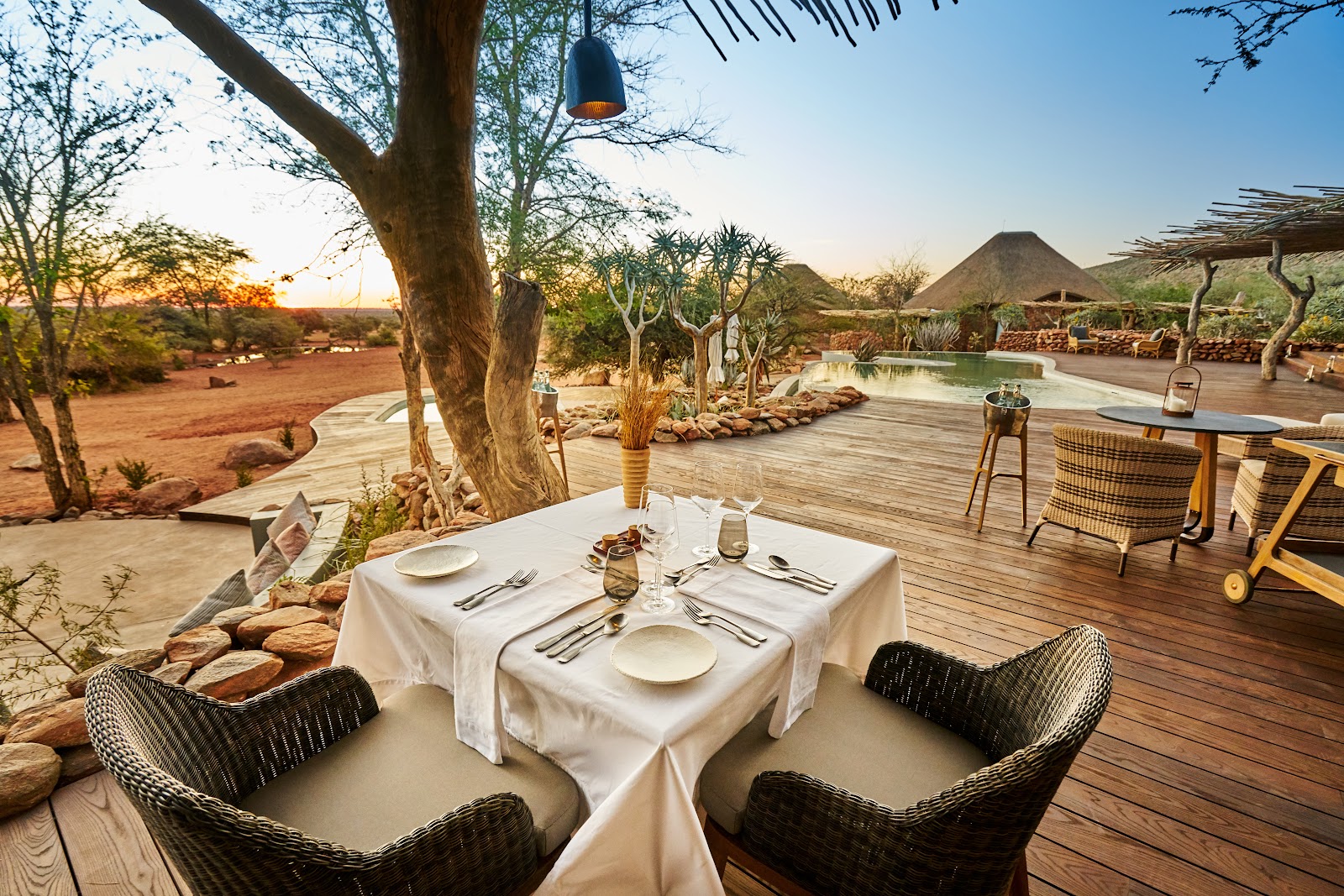
Tswalu is South Africa's largest private game reserve, in the Northern Cape's Kalahari, and it is deliberately different: a semi-arid, red-dune ecosystem where the draw is not the classic Big Five parade but rare, specialised species, aardvark, pangolin, meerkats, brown hyena, and vast, quiet space. Its main camp, the Motse, sits at the foot of the Korannaberg. Best for repeat South Africa visitors, adventure-minded travellers, and anyone wanting a genuinely different bush experience.
6. Babylonstoren, Cape Winelands
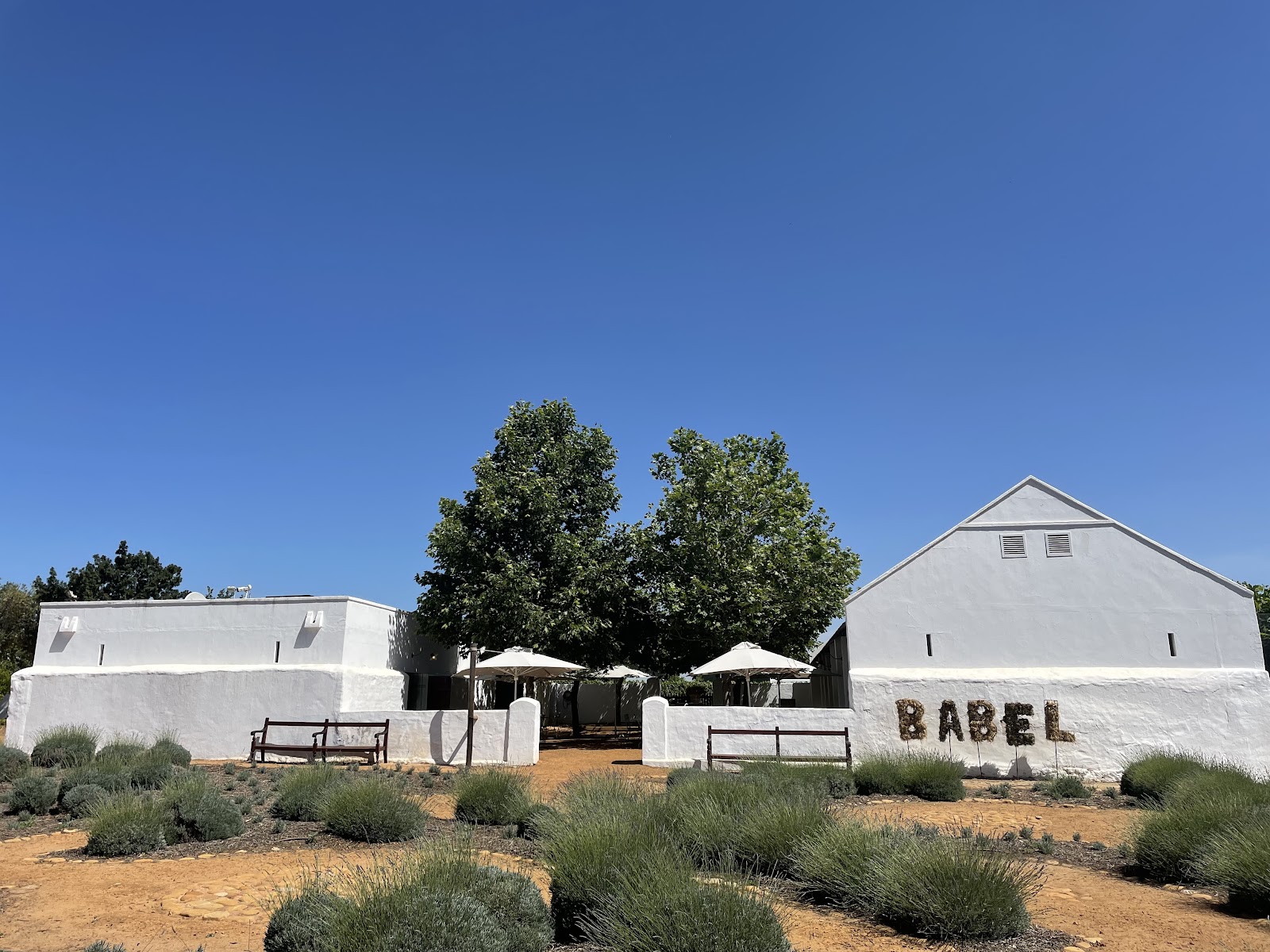
An honest inclusion with a caveat: Babylonstoren is not a Big Five safari lodge but a working farm-and-garden hotel in the Cape Winelands, with a celebrated garden, spa and wines. It earns its place as the ideal wine-country bookend to a bush trip rather than a substitute for one. Best for combination itineraries pairing safari with the Cape, and for slower, garden-and-cellar stays.
How to combine with Cape Town
The classic South African trip runs Cape and bush back to back, and the logistics are straightforward. A standard shape: days one to three in Cape Town for Table Mountain, the coastline and a winelands day (Babylonstoren fits here); days four to seven on safari in the Sabi Sand or Greater Kruger, reached by a short connecting flight via Johannesburg to a bush airstrip; then an optional extension to the coast, an island like Mauritius, or straight home. The contrast of city, wine and wilderness in one trip is what makes South Africa such an efficient luxury itinerary.
When to visit
The dry winter is the easy answer for wildlife, but each season has a case. May to September brings sparse vegetation and animals concentrating at water, the best big-game viewing, though mornings on the vehicle are genuinely cold. October to November is a green-season transition; December to February is lush, quieter and good for newborns and birding but with thicker bush; March to April are pleasant shoulder months. If sightings are the priority, go in the dry season and pack a warm layer.
The honest trade-offs
South African luxury safari is superb, but go in clear-eyed. The private-reserve lodges are expensive and often have minimum-night stays and strict child-age policies, so check both before booking a family trip. Winter game viewing is best but the dawn drives are cold. And the classic Cape-plus-bush itinerary involves at least two internal flights, so build in buffer time. Our take: pick one reserve and stay at least three nights rather than lodge-hopping, choose the dry season if wildlife is the point, and treat Babylonstoren or a Cape stay as the relaxing bookend, not the safari itself.
Five rules for a South African safari
- Sabi Sand and MalaMala offer the highest wildlife density; Greater Kruger concessions are excellent too.
- Combine with Cape Town and the winelands for trip variety.
- Small connecting flights from Johannesburg to bush airstrips simplify the logistics.
- Stay at least three nights in one reserve rather than rushing between lodges.
- The dry season (May to September) is peak wildlife but cold at dawn.
Plan the wider trip with our safari lodge pillar, the regenerative and conservation lodges guide, our solar-powered hotels roundup (Singita features), and the honeymoon and anniversary collections.
Frequently asked questions
What is the best safari lodge in South Africa?
It depends on your priority. Royal Malewane leads on heritage service, Singita Lebombo on design in a private Kruger concession, and MalaMala on wildlife density. The Sabi Sand and adjoining reserves offer the best overall mix of luxury and Big Five sightings.
Is Sabi Sand better than Kruger?
For a luxury lodge stay, usually yes. The private reserves allow off-road driving and traversing rights the national park does not, which means closer, more frequent big-cat sightings. Kruger is vast and cheaper but more variable.
When is the best time to go?
May to September, the dry winter, is peak wildlife viewing, though mornings are cold. October to April is greener and quieter with better birding but thicker bush.
Can you combine safari with Cape Town?
Yes, it is the classic itinerary. Two to three nights in Cape Town and the winelands, then a connecting flight via Johannesburg to a bush airstrip for the safari leg. Babylonstoren pairs the two ends neatly.