The six major tropical luxury destinations are more different than the brochures suggest. This guide sorts the Maldives, Bora Bora, Fiji, Seychelles, Mauritius, and Turks and Caicos by the three things that actually decide a trip: how hard they are to reach, when to go, and the kind of holiday each one is built for.
The short answer: Choose the Maldives or Bora Bora for an overwater honeymoon, Mauritius or Turks and Caicos for a family holiday, Fiji for South Pacific culture, and the Seychelles for dramatic granite-island scenery. Access is the deciding factor: Turks and Caicos is closest for North Americans, the Maldives is the most connected from Europe and the Gulf.
Save this for later
Get our guides plus subscriber only hotel offers by email, every Sunday.
The six major tropical destinations
Maldives
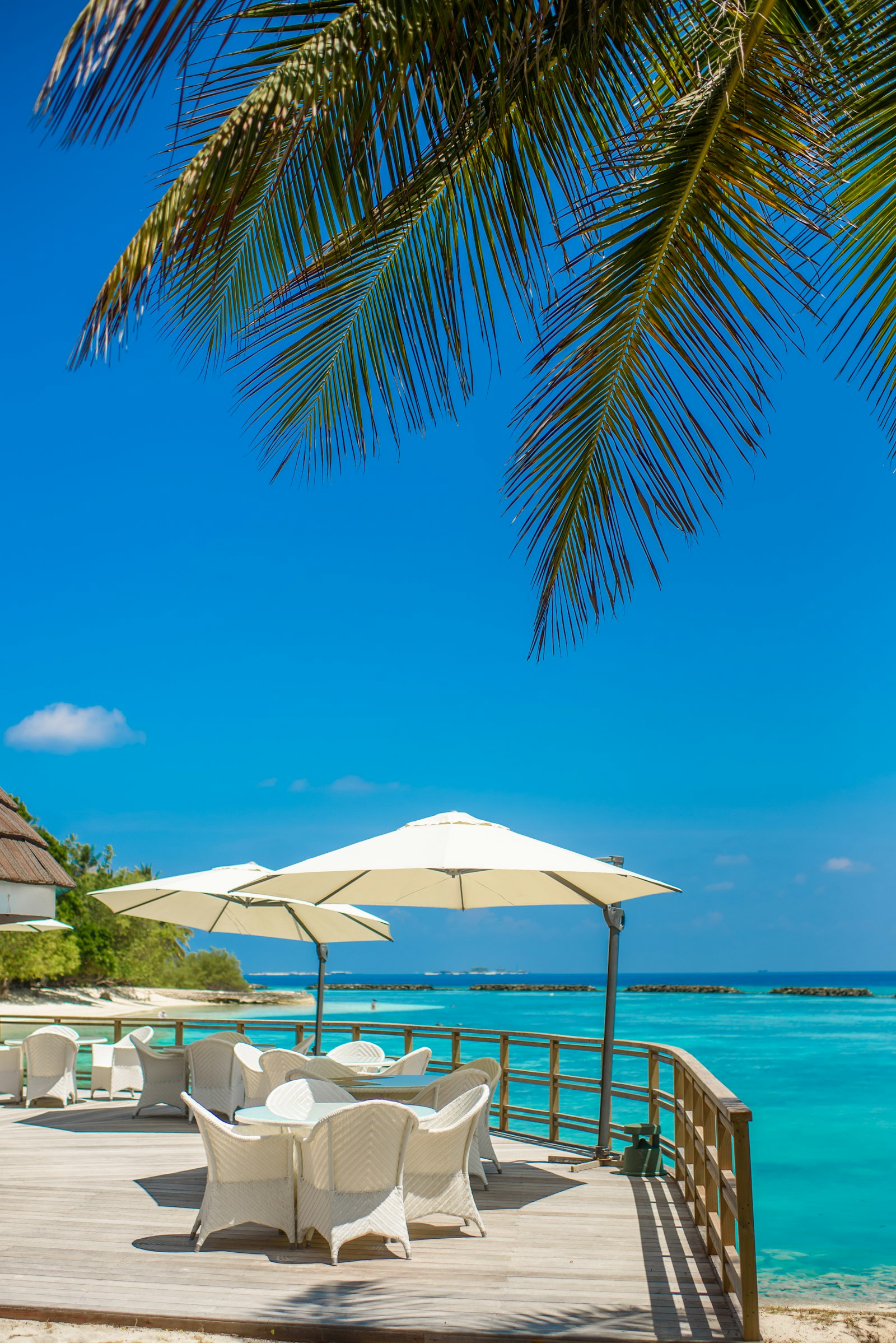
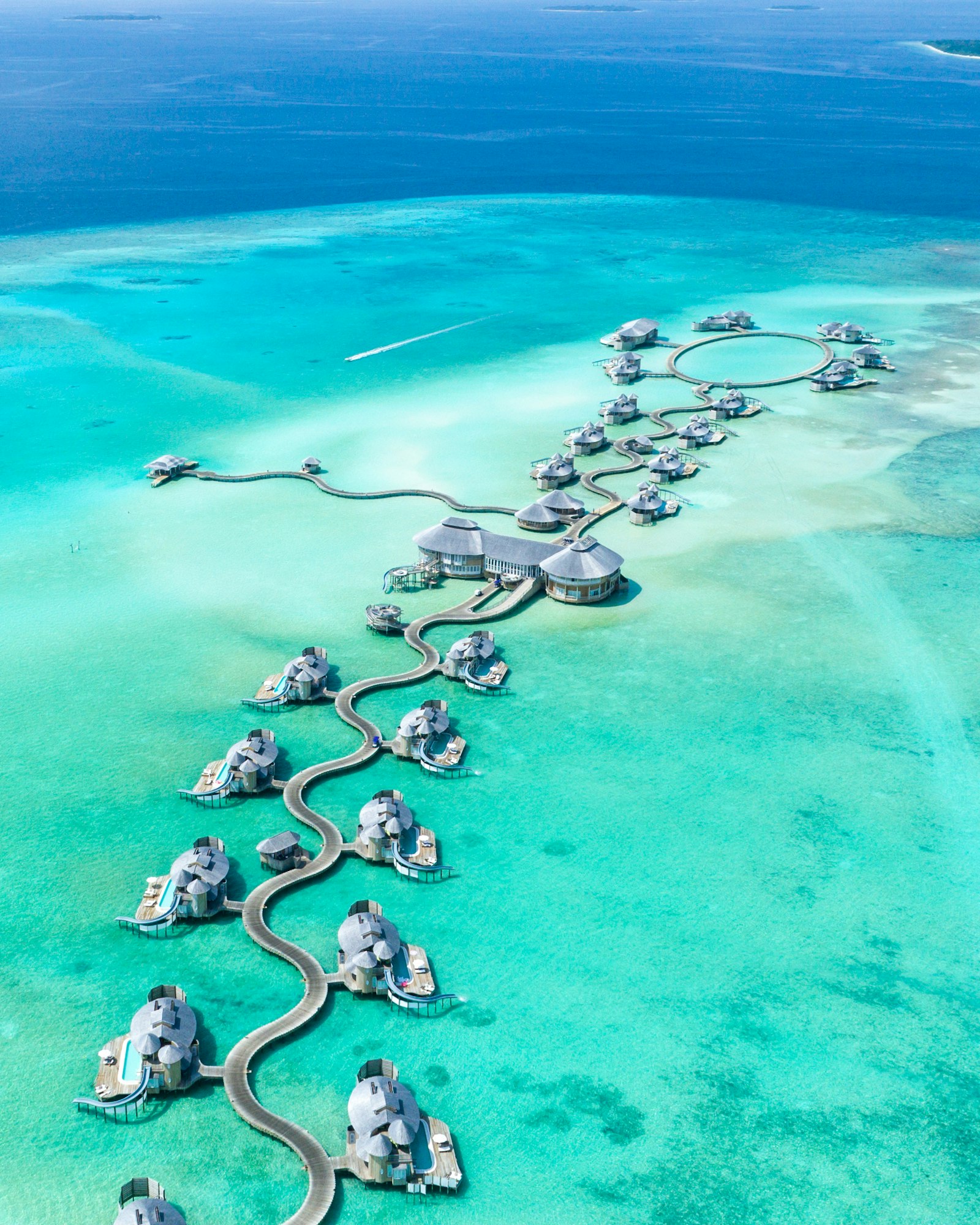
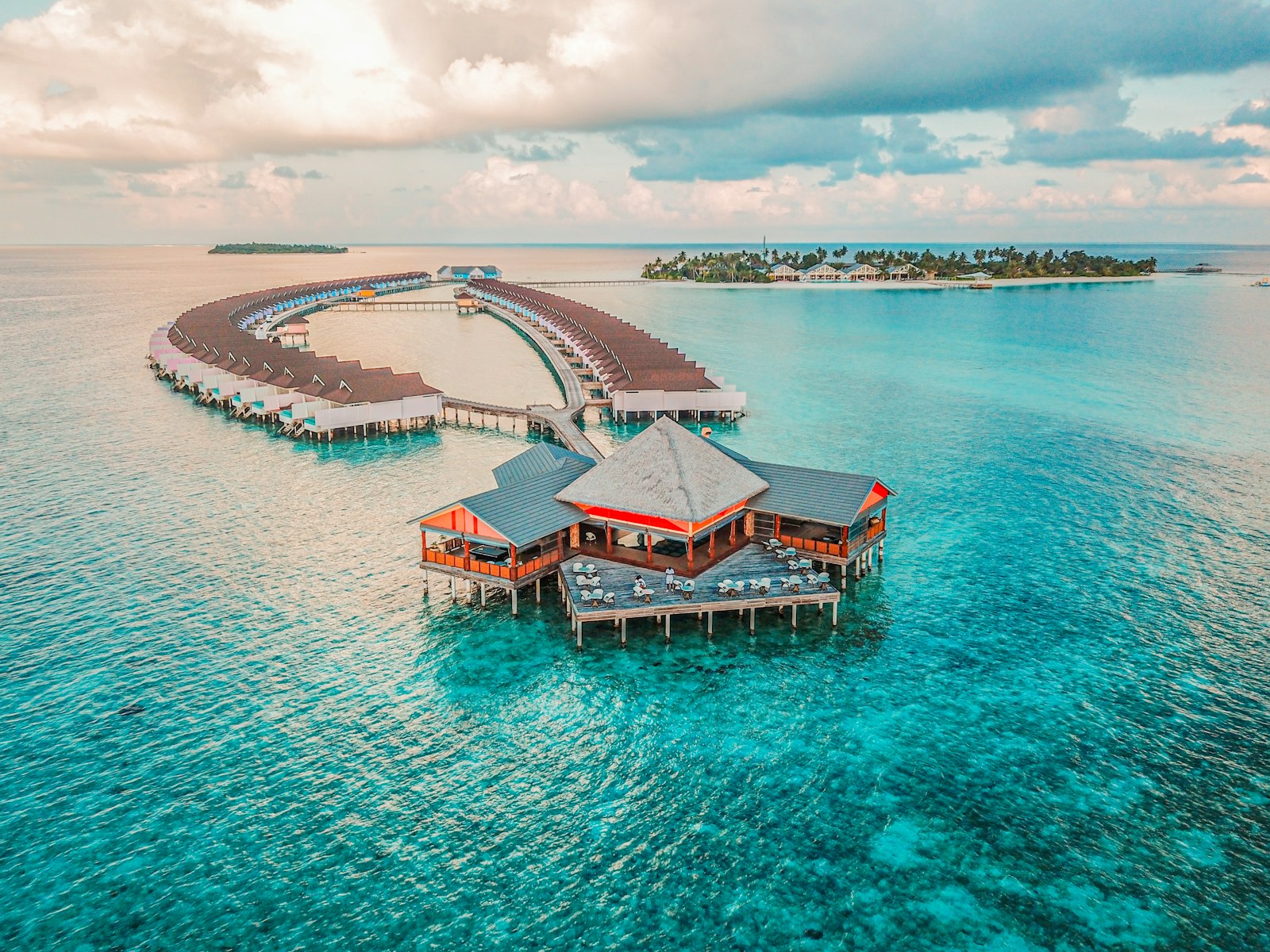
The default answer for overwater luxury, and for good reason: no destination has more one-island-one-resort properties, a wider price range, or better access from Europe and the Middle East, where a single flight to Male followed by a seaplane or speedboat puts you in a villa the same day. The landscape is low, sandy, and reef-fringed rather than dramatic, so the appeal is water, privacy, and the villa itself. Best time to go is the dry season from about November to April, driest in December to March. Best for honeymoons, anniversaries, and anyone whose ideal day is a lagoon, a book, and a house reef. See the best hotels in the Maldives.
Bora Bora and French Polynesia
The Pacific alternative to the Maldives, and the more cinematic of the two. The lagoon wraps around the twin volcanic peak of Mount Otemanu, which gives every overwater villa the single most recognisable view in tropical travel. It is farther for Europeans but the natural choice for North Americans, reached via Tahiti. The dry, cooler season from May to October is the reliable window. Best for a milestone honeymoon or anniversary where the setting itself is the point. See the best hotels in Bora Bora.
Fiji
The South Pacific's cultural destination. Fijian hospitality is the genuine differentiator here, warm, family-oriented, and woven into the resort experience rather than staged for it, which is why Fiji resorts are among the best in the world for children. The luxury is generally smaller in scale and more barefoot than the Maldives or Bora Bora. May to October is the drier season. Best for honeymoons that want warmth over formality, and for multi-generational family trips. See the best hotels in Fiji.
Seychelles
The Indian Ocean's scenery destination. Where the Maldives is flat, the Seychelles is dramatic: granite boulders, forested peaks, and the famous curved beaches of Mahe, Praslin, and La Digue. It is a place to island-hop as much as to lie still, and it rewards design-led travellers and repeat tropical visitors who have done the overwater trip and want landscape next. The calmest, clearest windows fall around April to May and October to November, between the two monsoons. Best for anniversaries and second or third tropical trips. See the best hotels in the Seychelles.
Mauritius
The Indian Ocean's family-and-value destination. Mauritius has a real island beyond the resorts, mountains, botanical gardens, a food culture blending Indian, Creole, French, and Chinese, so there is genuinely more to do off the beach than at a one-island resort. Its resorts are built for longer, multi-generational stays with strong kids' programming. The cooler, drier winter from about May to December is the better half of the year. Best for families and longer holidays. See the best hotels in Mauritius.
Turks and Caicos
The Caribbean's tropical-luxury destination, and the answer when flight time is the constraint. Grace Bay on Providenciales is a long, calm, reef-protected beach a few hours from the US East Coast, which makes Turks and Caicos the one destination on this list you can reach for a long weekend rather than a two-week expedition. The dry season runs December to April; hurricane season is June to November. Best for North American families and anniversaries, and for a shorter tropical trip. See the best hotels in Turks and Caicos.
How the destinations differ
Difference 1: access and flight time
This is the single biggest divider. Turks and Caicos is a short hop for North Americans; the Maldives is the most connected for Europe and the Gulf; Bora Bora and Fiji favour travellers coming across the Pacific; and the Seychelles and Mauritius are long-haul from almost everywhere except Europe, the Gulf, and East Africa. Match the destination to where your flights actually start, not to the photograph.
Difference 2: landscape and culture
Some of these places are about the water and little else, the Maldives and Bora Bora are natural-environment destinations where the resort is the experience. Others have a country attached: Fiji and Mauritius bring deep local cultures into the stay, and the Seychelles brings genuinely dramatic scenery. If you get restless on a single island, lean toward the second group.
Difference 3: season patterns
Every one of these has a distinct wet and dry pattern, and they do not line up. When the Maldives is at its driest, in December to March, it overlaps with the Caribbean's Turks and Caicos dry season, but Fiji and Bora Bora are then in their warmer, wetter months. Plan around the specific destination's calendar rather than a general idea of tropical weather.
How to plan a tropical trip
Rule 1: build in a flight buffer
Most of these destinations involve a long flight and then a second transfer by seaplane, boat, or island-hopper. Plan for at least seven nights so the travel time is worth it, and never schedule the inbound transfer tight against a late long-haul arrival.
Rule 2: choose the right villa category
The entry-level room is usually fine; the upgraded category is often the trip. On an overwater destination, a villa with direct lagoon access or a private pool is the difference between a nice room and the reason you came. Pay up one tier where the budget allows.
Rule 3: use a specialist for the logistics
Transfer timing, seaplane weight limits, and inter-island connections get complicated fast in the Maldives, French Polynesia, and the Seychelles. A good travel specialist earns their fee on the logistics alone, and often on resort credits you would not get booking direct.
Five rules for choosing a tropical destination
- Start from your flight origin, not the photo, access is the real constraint.
- Match the character to the trip: overwater and still, or an island with a country attached.
- Check the specific destination's wet and dry calendar before you fix dates.
- Pay up one villa category where it buys direct water access or a private pool.
- Book seven nights or more, and leave a buffer around every transfer.
For the resort-level picks, see the destination guides linked above, or start with the Maldives and the best overwater villas in the world.
Frequently asked questions
Which tropical destination is best for a honeymoon?
The Maldives and Bora Bora lead, both built around overwater villas and privacy. The Maldives has the deepest choice and the easiest access from Europe and the Gulf; Bora Bora has the more dramatic single view and suits North American travellers.
What is the best time of year to visit the Maldives?
The dry season from about November to April, driest from December to March. May to October is wetter and windier but cheaper, with long sunny stretches still.
Which destination is closest for North American travellers?
Turks and Caicos, a few hours from the US East Coast. Bora Bora, via Tahiti, is the most accessible of the Pacific and Indian Ocean options; the Maldives, Seychelles, and Mauritius are long-haul from the Americas.
Which tropical destination is best for families?
Mauritius and Turks and Caicos, both with shallow reef-protected beaches, kids' clubs, and more to do off the resort. Fiji is the cultural family choice, known for its programming for children.