The forces shaping luxury hotels in 2026 look different from even three years ago. Wellness has moved from amenity to identity, food has overtaken design as the headline draw, and ultra-privacy — private islands, buyouts, tiny new openings — has become the real luxury currency. Below are the five trends that matter, with hotels you can actually book, and how each should change the way you plan.
Affiliate disclosure: when you book through links on this page we may earn a commission at no extra cost to you. We never accept payment for placement. Hotels described as open were verified as bookable in July 2026; upcoming openings are flagged as such.
The five trends defining 2026
In short: wellness as identity, ultra-private islands, food-led hospitality, slow-luxury programming, and multi-generational design. Each is a genuine shift in what luxury travellers are paying for, not a marketing gloss.
1. Wellness as identity, not amenity
Wellness is now the core of the offer, not a spa bolted on at the end. Brands increasingly present themselves as places to live well rather than simply stay — Six Senses built its identity this way, and Aman, COMO, and Soneva now weave nutrition, movement, sleep, and sustainability through the whole experience. The honest caveat: "wellness" is also the decade's most overused label, so look for real substance — resident practitioners, proper diagnostics, considered food — rather than a rebadged treatment menu.
2. Ultra-private islands and buyouts

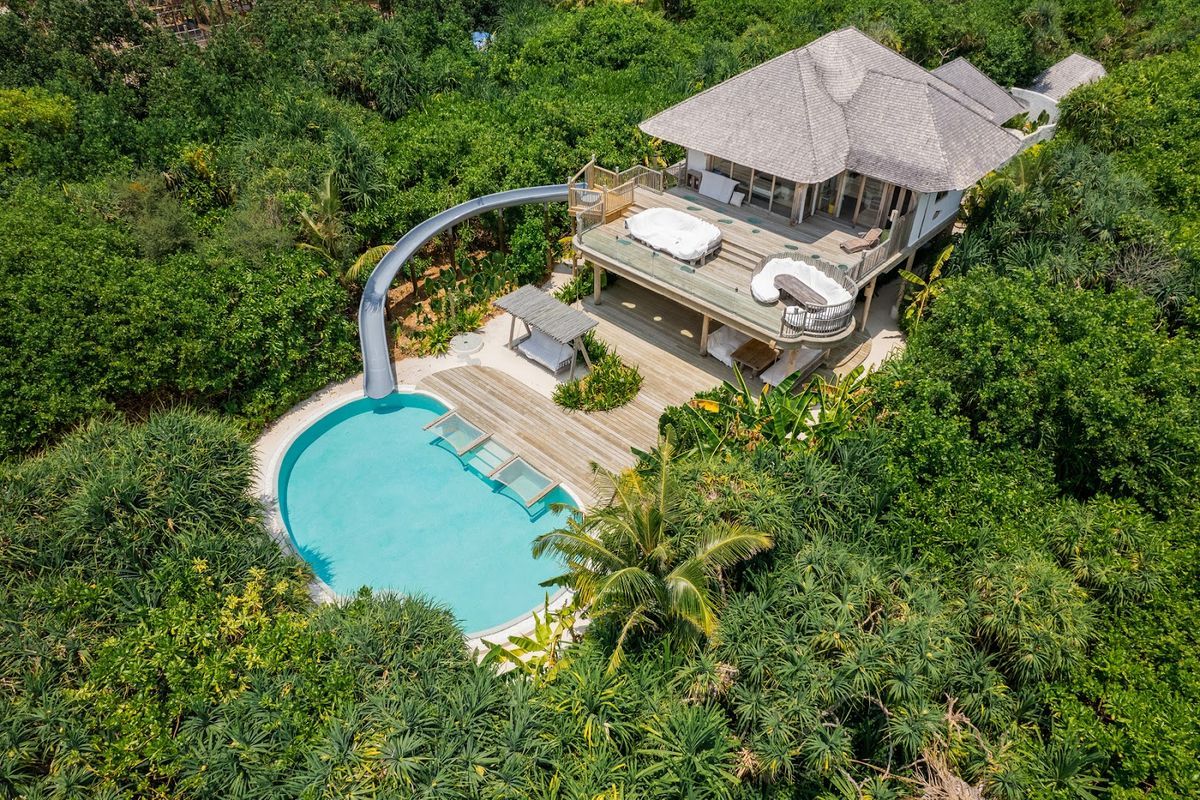
Total privacy has become the ultimate premium. The private-island resort has grown from a novelty into an established category, led by The Brando in French Polynesia, Soneva in the Maldives, and Amanpulo in the Philippines, with newer entrants like Cap Karoso on Sumba widening the field. The honest caveat: the seclusion comes with long, expensive transfers and limited on-island variety, so these suit travellers who genuinely want to disconnect rather than those who like options within walking distance.
3. Food-led hospitality

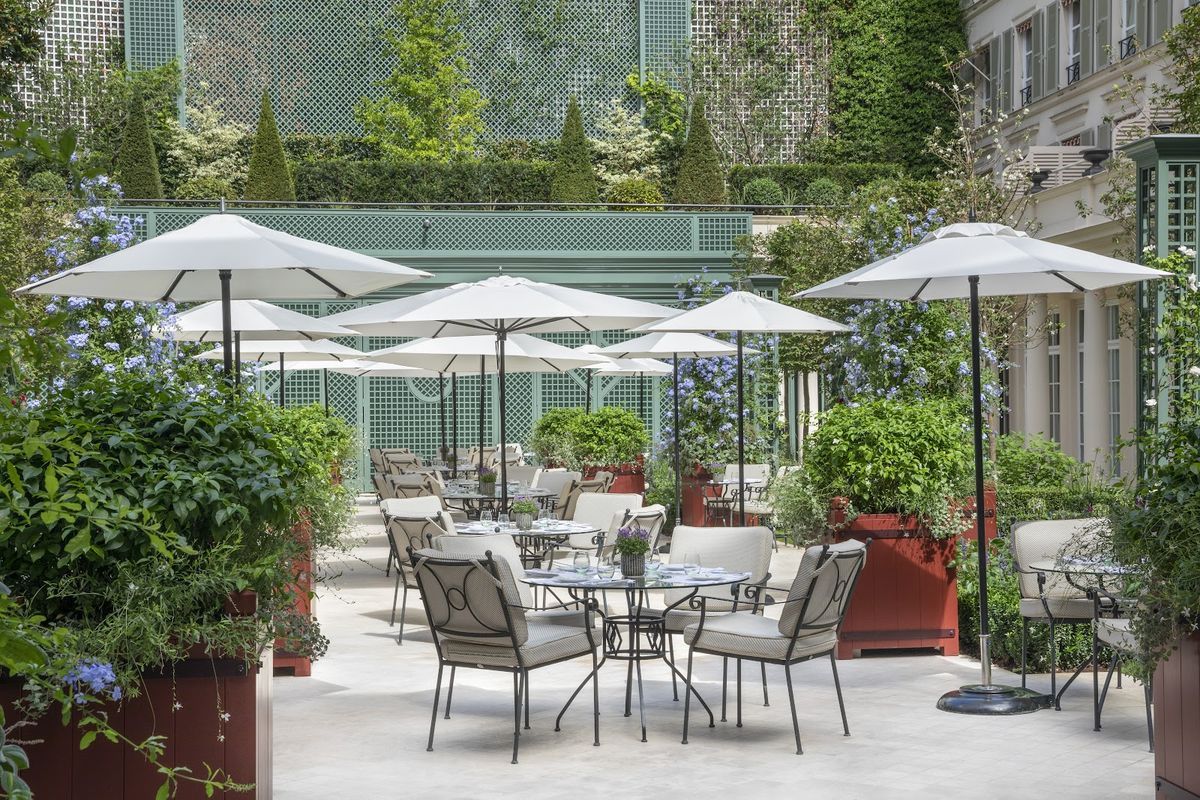
The kitchen has overtaken the architecture as the headline. Hotels increasingly lead with their chef and restaurant, following properties that have long done so — Le Bristol Paris with the three-Michelin-star Epicure, Le Sirenuse in Positano with La Sponda, and Aman Tokyo with its Musashi sushi counter. The honest caveat: a marquee restaurant does not guarantee a great everyday breakfast or room-service, so check that the wider food operation matches the flagship's billing.
4. Slow-luxury programming
Doing less, for longer, has become its own luxury. In reaction to the packed itinerary, more properties now build programmes around seven-to-fourteen-night stays with structured rest, unhurried meals, and deeper local engagement rather than a checklist of excursions. The honest caveat: slow luxury asks for time and a temperament to match; if a week of deliberate stillness sounds like boredom rather than restoration, it is not the trend for you.
5. Multi-generational design
Family travel has shifted to whole clans travelling together, and hotels have redesigned around it. The response is multi-bedroom villas, age-stratified programming, and dining that flexes across generations and diets — the same layout logic covered in our multi-generational reunion guide. The honest caveat: "family-friendly" and "multi-generational" are not the same thing; confirm a property actually offers connected villas and real programming for every age before assuming it fits a big group.
What 2026 and 2027 openings look like
The defining shift is scale: new luxury hotels are getting smaller and more distinctive. Where the 2010s produced 300-to-800-room flagships, the current wave runs roughly 20 to 150 rooms and leans on a strong, specific identity. Amanvari — Aman's first Mexican resort, opening on Baja's East Cape in 2026 — is built around just 20 pavilions, and Louis Vuitton's first hotel, planned for the Champs-Élysées in Paris, is expected to open with only a handful of suites. Wellness and food are designed in from the architecture stage rather than added later. For confirmed dates and details, see our running list of 2026 luxury openings and the ones coming in 2027.
The five trends, and what each means for booking
Here is how the shifts translate into practical decisions when you plan a stay.
| Trend | What it means | Book this way |
|---|---|---|
| Wellness as identity | Spa becomes the core, not an add-on | Ask about resident practitioners and diagnostics |
| Ultra-private islands | Seclusion is the premium | Budget time and cost for transfers |
| Food-led hospitality | The restaurant is the headline | Reserve signature tables when you book the room |
| Slow luxury | Longer, less-scheduled stays | Plan 7+ nights, resist over-programming |
| Smaller openings | 20–150 rooms, strong identity | Book peak dates 12–18 months ahead |
How to travel with these trends
Three practical habits follow. First, book high-profile new openings 12 to 18 months ahead for peak dates, because small inventory plus launch demand sells out fast. Second, ask about the wellness programme even at hotels that are not wellness-branded — by 2026, most serious luxury properties have one worth using. Third, if there is any chance you will travel with extended family, ask about multi-room and villa configurations up front. The through-line across all five trends is that luxury is increasingly about depth — of food, of rest, of privacy — rather than square footage, and the traveller who plans around that gets the most from it.
How we track these trends, and what we corrected
We base these trends on confirmed openings, brand programming, and properties we verified as bookable in July 2026, and we separate what is open now from what is still to come. In this update we corrected the earlier version's loose references — clarifying that Amanvari and the Louis Vuitton Paris hotel are upcoming rather than open, and removing an unverifiable property name — so nothing here presents a not-yet-open or unconfirmed hotel as bookable today. Keep reading with our rise of hotel residences, wellness retreats guide, micro-hotels feature, and predictions for 2027–2030. See our editorial standards for how we verify.