Off-peak luxury is the same suite, the same butler and the same beach at 40 to 60 percent of the rate. The catch is weather, crowds, or both, and in a few destinations, closures. For several places, though, the off-season is genuinely the better trip. Here is how the calendar breaks down by region, and when the discount is worth taking.
Disclosure: HotelsForKings is reader-supported. When you book through links on this page we may earn a commission at no extra cost to you. We rank editorially and never accept payment for placement. Prices move constantly; treat the ranges below as planning guides, not quotes.
Save this for later
Get our guides plus subscriber only hotel offers by email, every Sunday.
Off-peak windows by region, at a glance
The quickest answer: shoulder season is usually the sweet spot, but true off-peak delivers the deepest cuts if you can accept the weather. This table sorts the major luxury regions by season, typical discount off peak, and our one-line verdict.
| Region | Peak | Off-peak | Off-peak saving | Verdict |
|---|---|---|---|---|
| Mediterranean | Jun to Aug | Nov to Mar | ~40 to 55% | Book the shoulder instead |
| Caribbean | Dec to Mar | Jun to Oct | ~40 to 50% | Worth it, watch hurricanes |
| Maldives | Dec to Mar | May to Sep | ~50% | Often fine, short rain bursts |
| SE Asia (Bali, Thailand) | Dec to Mar | Jun to Sep | ~35 to 50% | Can be excellent value |
| European cities | Jun to Aug, Dec | Jan to Mar, Nov | ~30 to 45% | Off-peak is a joy, no crowds |
The patterns by destination
Each region rewards a slightly different move. The overarching rule: the Mediterranean and Europe reward the shoulder, the tropics reward true off-peak, and the Caribbean asks you to gamble on the weather.
Mediterranean (Italy, France, Greece)
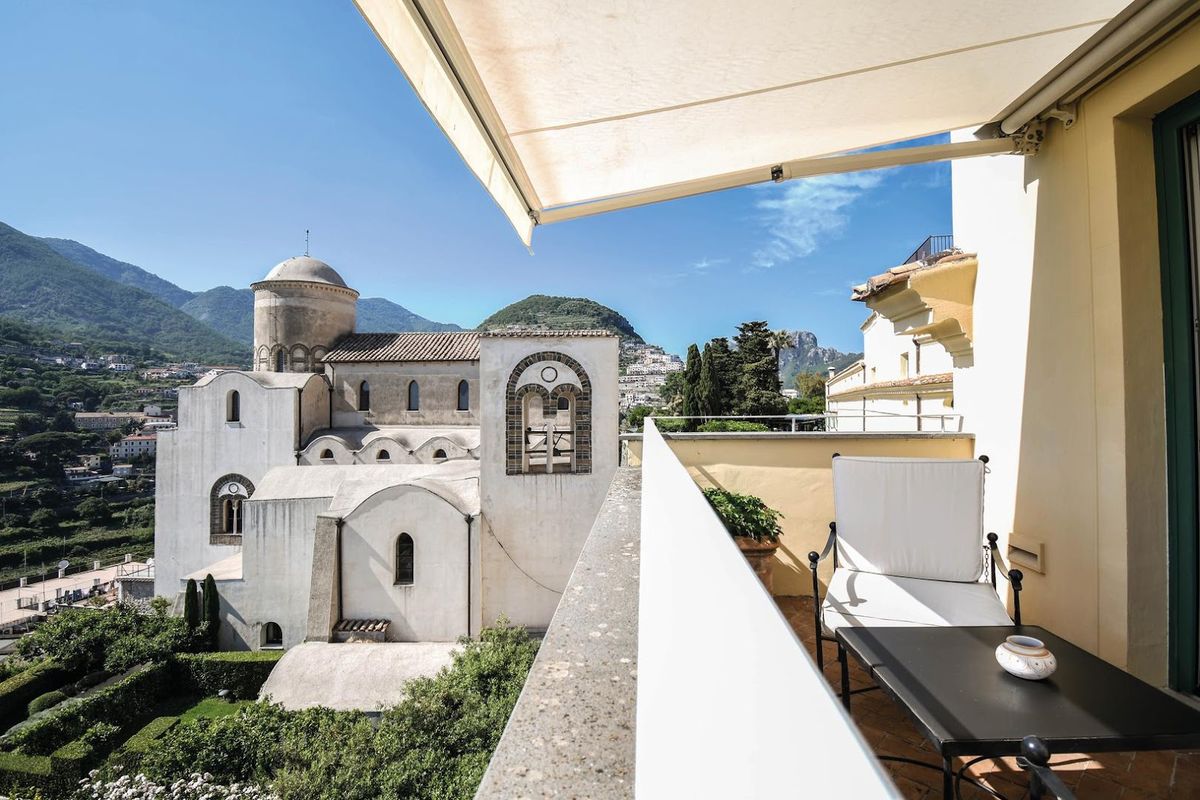
Book the shoulder, not the peak. April to May and September to October keep the warm sea and the open restaurants but shed the August crowds and roughly 30 to 40 percent of the rate. A cliffside stay on the Amalfi Coast or in Santorini in late September is arguably better than in July. Deep off-peak (November to March) is cheapest but many seasonal resorts close, so confirm the hotel is actually open.
Caribbean (most islands)
Peak is December to March; off-peak is June to October, which overlaps hurricane season. Rates fall around 40 to 50 percent, but you are genuinely trading risk, so build in flexible cancellation and travel insurance. Early November and late April and May are the smart middle: post-season pricing, pre-storm weather.
Maldives
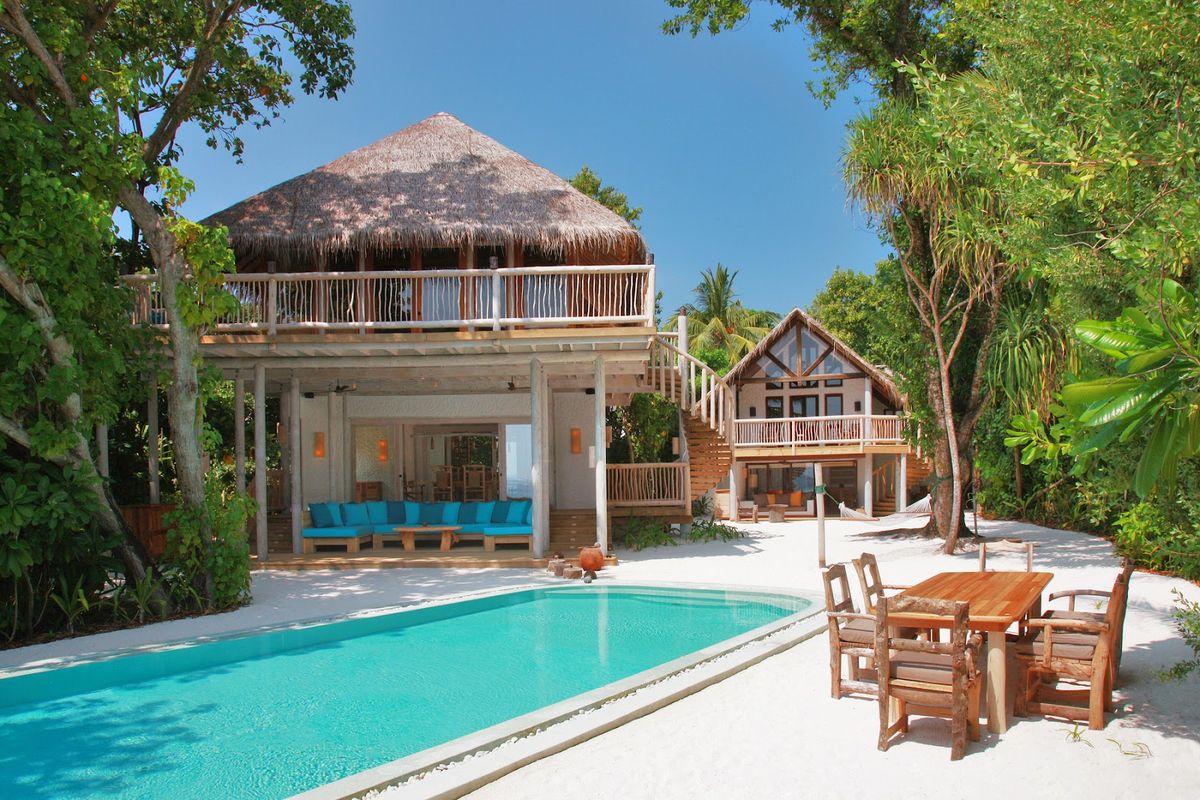
Off-peak (roughly May to September) can be 50 percent cheaper, and the rain typically comes in one-to-two-hour bursts rather than all day, so a green-season week at a Maldives resort is often mostly sunny for far less. The gamble is a run of grey afternoons; the payoff is an over-water villa at half price.
Southeast Asia (Bali, Thailand, Vietnam)
The June to September "rainy" season in much of the region means short daily downpours, then sun, and can be excellent value, with rates 35 to 50 percent below the dry-season peak. Bali in the green season is lush and quiet; just avoid the wettest window for your specific island.
European cities
Off-peak European cities, January to March and November, are one of travel's best-kept deals: empty museums, easy restaurant tables, no queues, and rates 30 to 45 percent below summer. Paris in February is cold but uncrowded and noticeably cheaper. The only real cost is short daylight and the odd grey sky.
Holiday timing tricks
You can capture holiday atmosphere without holiday pricing by shifting a week. The calendar has three reliable soft spots.
Pre-Christmas (early to mid December)
Decorations are up and the weather is the same, but rates sit well below Christmas week. It is the best value-to-festivity ratio of the year.
Mid-January (after the holidays)
Demand falls off a cliff once the holidays end, producing the lowest rates of the year across most luxury destinations. If you are chasing the deepest discount, this is the window.
Easter shoulder
The weeks immediately before and after Easter price like shoulder season while the weather has usually turned. Sandwich the holiday rather than booking into it.
Weekday vs weekend
Match the hotel type to your days. City and business hotels are typically 20 to 40 percent cheaper Monday to Thursday, because their weekday corporate demand evaporates on weekends, so a Sunday-to-Thursday city break can be dramatically cheaper. Leisure resorts often run the opposite pattern, with a small Friday-to-Sunday premium or none, so mid-week stays there save less. When in doubt, price both and let the calendar decide.
The honest trade-offs
Off-peak is not free money. In deep off-season, some resorts close, some restaurants and spas run reduced hours, and weather risk is real, particularly hurricane-season Caribbean and monsoon-window Asia. Sea temperature and daylight both drop in winter Europe. Our rule of thumb: take the shoulder season almost everywhere for the best balance, take true off-peak only when the savings are steep and you can absorb a grey day or two, and always confirm the property, its restaurants and its spa are fully open for your dates before you book.
Five rules for timing a luxury booking
- Shoulder season is often better than peak, and much cheaper.
- Mid-January and early March are the deepest discounts of the year.
- Book early to mid December for holiday feel without holiday rates.
- Weekdays for city hotels, weekends can cost less at resorts.
- Confirm the hotel, its dining and spa are fully open before booking off-season.
Go deeper with the full booking-strategy guide, and plan the trip itself with our honeymoon and family holiday collections.
Frequently asked questions
What is the cheapest time to book a luxury hotel?
Mid-January and early March are the deepest discounts in most luxury destinations, often 40 to 60 percent below peak, once post-holiday demand collapses. The trade is weather and occasional closures, so check what is open first.
Is shoulder season better than peak?
Frequently. Mediterranean April to May and September to October bring warm weather, thinner crowds and rates around 30 percent below the summer peak, most of the upside for much less cost.
Is the Maldives worth it off-season?
For many travellers, yes. Off-peak Maldives can be 50 percent cheaper, and rain often falls in short bursts. You trade a chance of grey afternoons for a materially lower rate and quieter resorts.
Are hotels cheaper on weekdays or weekends?
City and business hotels are usually 20 to 40 percent cheaper Monday to Thursday. Resorts often reverse this with a small weekend premium or none. Match the hotel type to your days.