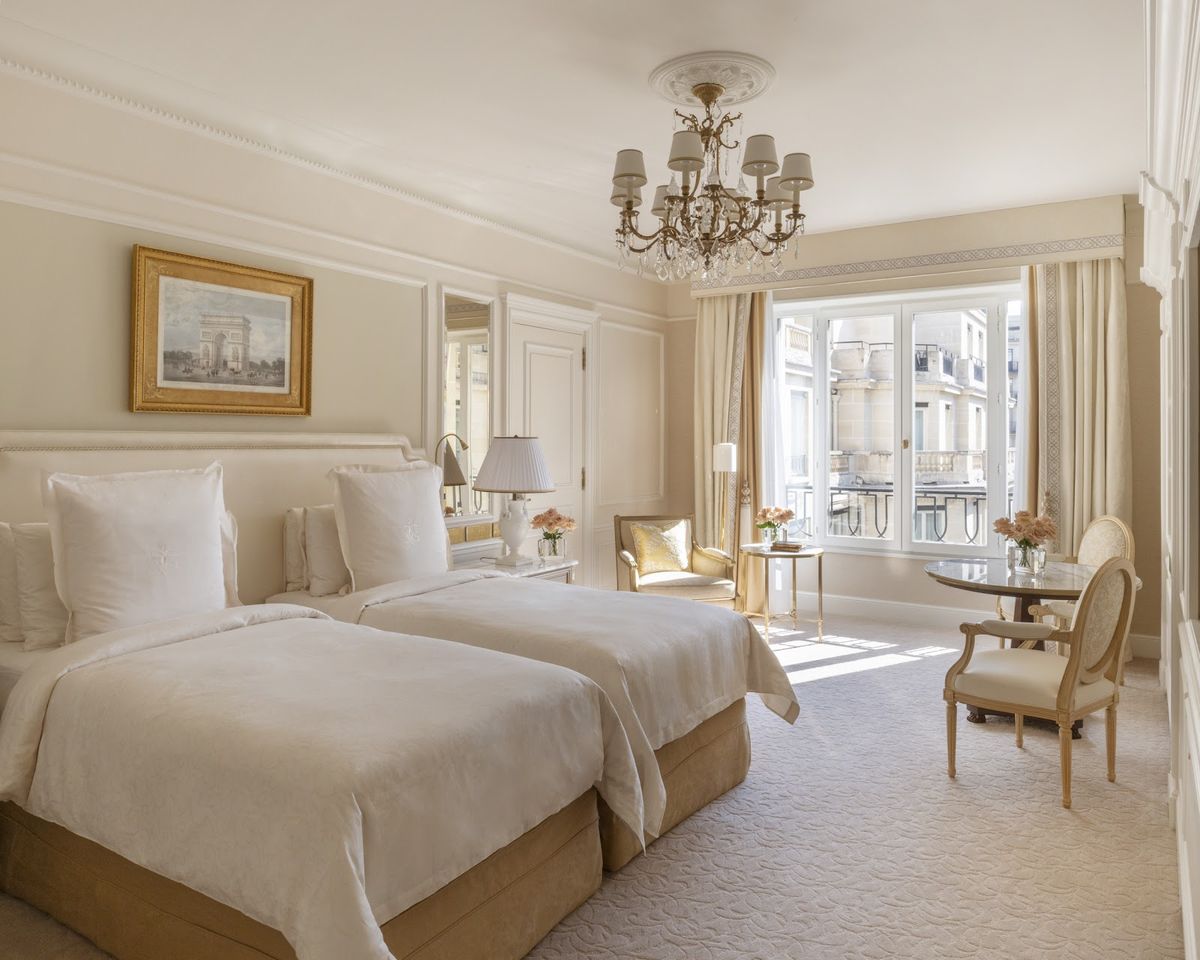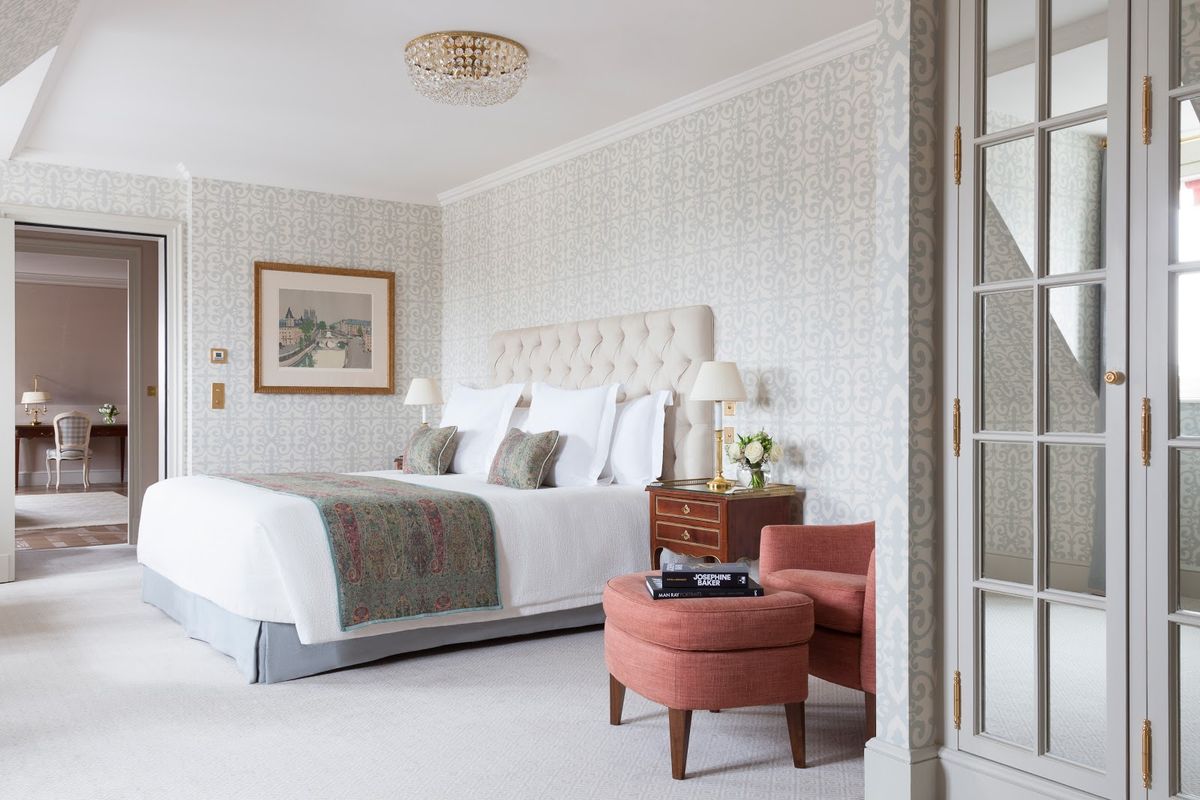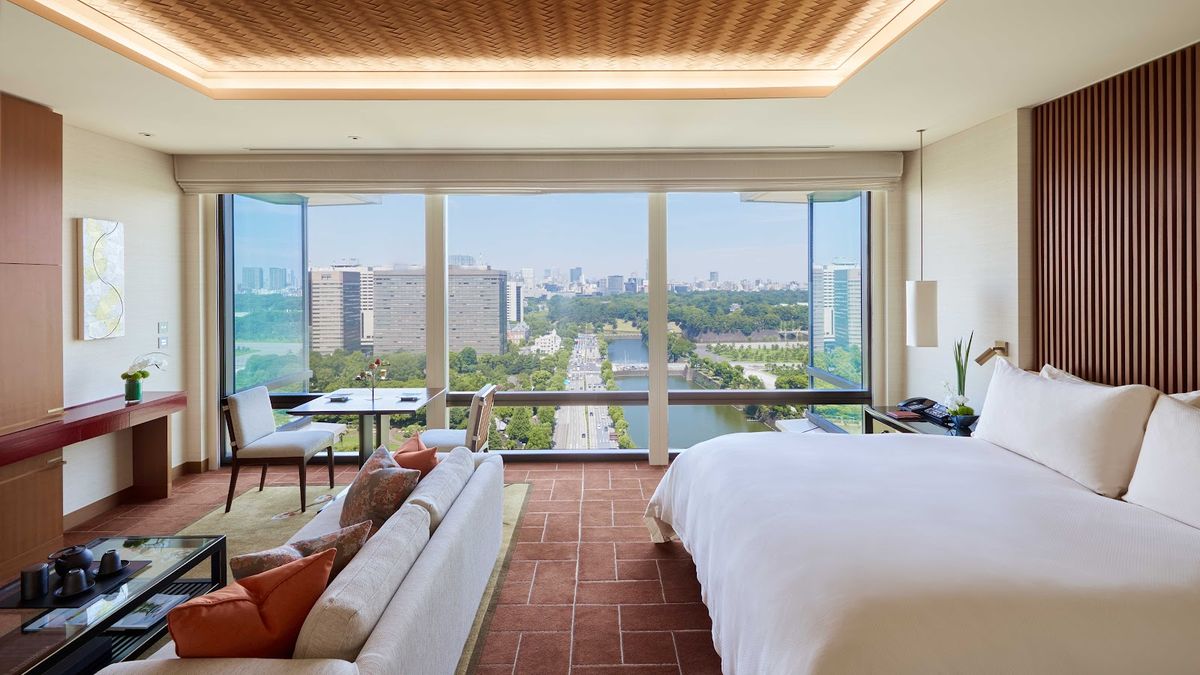
Travelling with a baby and staying somewhere lovely is very doable, if you get three things right. Confirm the infant kit before you book (most luxury hotels give a cot free and can add a high chair, bottle warmer and sterilizer). Bring the personal and safety items the hotel won't stock. And protect the sleep routine above all else. Here is the full playbook.
Disclosure: we may earn a commission when you book through links on this page, at no extra cost to you. This is general guidance, not medical advice; follow your pediatrician on travel readiness. Hotels named below were verified as open and operating in July 2026. See our methodology.
Want the shortlist?
Hotel picks and subscriber-only special offers, curated weekly. Free to join.
What the hotel provides vs what you bring
Direct answer: hotels reliably provide the bulky, shared kit; you bring the personal and safety items. Confirming this split before you travel is the single most useful thing you can do. Here is the division that holds at most luxury hotels.
| Item | Usually the hotel | Always you |
|---|---|---|
| Cot / crib | Yes, usually free | — |
| High chair | Yes, on request | — |
| Bottle warmer / sterilizer | Often, on request | Backup travel version |
| Babysitting | Vetted, with notice | — |
| Baby monitor | Rarely | Yes, bring one |
| Your formula / food | Sometimes generic only | Yes, your brand |
| Childproofing | No | Yes, outlet covers, corner guards |
Five things to confirm before you book
Direct answer: email the hotel these five questions before booking, because availability of infant kit is finite and worth locking in early.
- Cot or crib availability, and whether it's free (it usually is) and which room categories fit one comfortably.
- Bottle warmer and sterilizer, whether they can supply them and whether advance notice is needed.
- High chairs, both in the restaurants and, if you want it, in the room.
- Babysitting, whether the hotel uses a vetted service and how much notice it needs (often 24 hours).
- Connecting or adjoining rooms, so a sleeping baby and awake parents can share a wall, not a room. Some hotels, such as Claridge's in London, throw in a connecting children's room free with a suite.
What to pack
Direct answer: pack for the things the hotel won't stock and the routine you can't recreate from scratch. The must-bring list is short but non-negotiable.
Must bring: a familiar sleep sack and comfort object; a baby monitor; your specific formula or food; medication and any vitamins; and childproofing pieces (outlet covers, corner protectors) because no hotel childproofs for you.
Worth bringing: a portable white-noise machine, a travel changing pad, and a few familiar toys for in-room downtime. Consider renting a stroller or car seat at the destination rather than hauling your own on a long trip; many luxury hotels can arrange this.
How to protect the routine
Direct answer: the routine, not the room, decides how the trip goes. Recreate the sleep environment and hold the schedule.
Keep the bedtime and wake routine consistent, and darken the room, most luxury rooms have good blackout curtains, which helps. Use in-room dining for at least one meal a day so the baby eats somewhere familiar. And plan for two to three days of adjustment: the first night or two may be rough, especially across time zones, and that's normal.
Hotels that handle infants best
Direct answer: choose brands and heritage palaces with deep, consistent family infrastructure rather than hoping a one-off boutique can improvise. Three categories stand out.
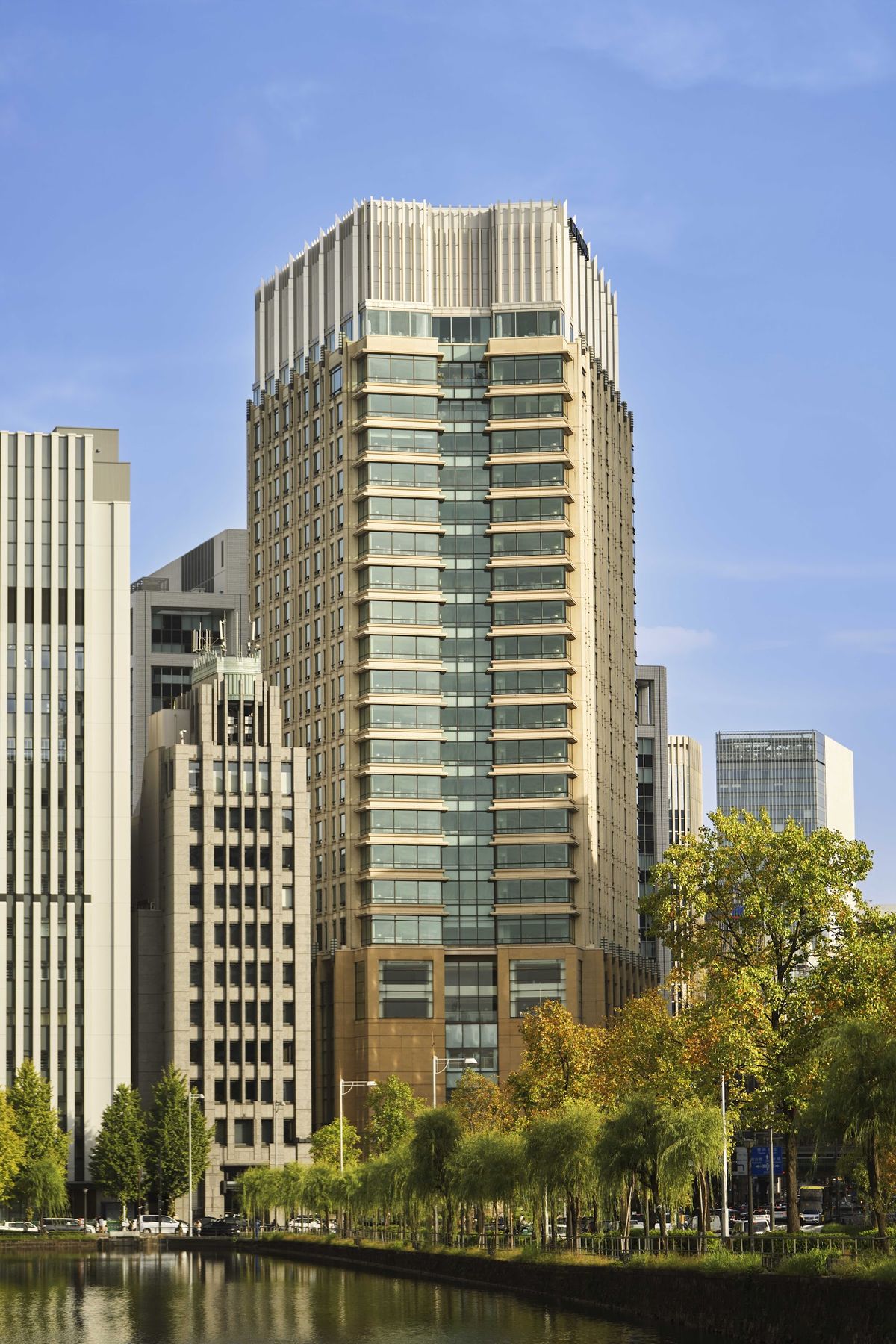
Established luxury groups with predictable kit. Four Seasons is the benchmark, cribs are free and the group can supply bottle warmers, sterilizing systems and baby toiletries, with babysitting arranged through the concierge on 24 hours' notice; the same predictability runs across Mandarin Oriental and Rosewood. See Four Seasons George V in Paris as a city example.
Heritage European palaces. Grand hotels handle infant travel as a matter of course. Le Bristol Paris supplies cots and warmed bottles without fuss, and Claridge's in London goes further, with personalised children's cases, a children's afternoon tea and a complimentary connecting room for children when you book a suite.
Asian luxury with anticipatory service. Peninsula and Mandarin Oriental properties are known for reading a young family's needs before you ask, from pre-stocked rooms to gentle, discreet help at mealtimes. Honest con: even the best hotel can't make a jet-lagged baby sleep, so keep expectations realistic and lean on the routine.
The first 24 hours: set the room up right
Direct answer: how you set up the room on arrival shapes the whole stay. Ask for the cot to be placed away from windows, radiators and cords, and request the room on a quiet floor away from lifts and ice machines if you can. Do a two-minute childproofing sweep, cover the reachable outlets, move breakables and minibar items up high, and note the balcony-door lock. Then recreate the sleep cues immediately: set up the white-noise machine, lay out the familiar sleep sack and comfort object, and draw the blackout curtains for the first nap so the baby's body clock starts adjusting.
If you have crossed time zones, get daylight early and keep the first day gentle; jet lag in a baby usually eases within two to three days if you hold the local schedule rather than chasing the old one.
Feeding and dining with an infant
Direct answer: plan feeding around the room, not the restaurant, for the first day or two. Ask housekeeping for a small fridge or a cool box for milk and expressed feeds, and confirm whether the hotel can warm bottles or provide boiled, cooled water on request, most luxury hotels can. Bring your specific formula and any weaning foods, because even hotels that stock baby food rarely carry your exact brand. For meals out, book early sittings when restaurants are quiet, ask for a high chair in advance, and use in-room dining for at least one meal a day so the baby eats somewhere calm and familiar. A short, relaxed meal beats a long, stressful one.
Travel now, or wait?
Direct answer: go now if the trip is calm and supported; wait if it's fast-paced and demanding. It's a judgement call, but the pattern is clear.
Travel now if: it's a multi-generational trip where grandparents can help; a calm beach or single-base destination; or a longer stay (five-plus nights) where a routine can settle in. Wait if: it's a fast, multi-city itinerary; a destination that needs very long flights; or a trip that demands high parental engagement (think a hiking or touring holiday). There's no prize for forcing a hard trip early.
Five rules for hotel travel with a baby
- Confirm cot, high chair and bottle warmer availability before you book, not on arrival.
- Bring the safety and personal items no hotel stocks: monitor, sleep sack, your formula, childproofing.
- Hold the sleep and feeding routine as closely as travel allows.
- Book connecting rooms so the baby sleeps while you don't have to.
- Plan for two to three adjustment days, and accept that perfect travel with an infant isn't the goal.
Common questions
Do luxury hotels provide cribs for babies?
Yes. Most provide a cot or crib at no extra charge, and many can add a high chair, bottle warmer, sterilizer and baby toiletries. Four Seasons, for example, provides cribs free with bottle warmers and sanitizing systems on request. Confirm availability at booking, stock is limited in busy periods.
What should I bring versus what will the hotel provide?
Hotels reliably provide the bulky items: cot, high chair and often a bottle warmer and sterilizer. You bring the personal and safety items: a monitor, familiar sleep sack and comfort object, your specific formula or food, medication, and childproofing pieces.
What is the best age to travel with a baby?
Many parents find the pre-crawling window (roughly under six months) easiest, because the baby sleeps often and isn't mobile. A settled infant with a routine also travels well. The hardest phase is early crawling-to-toddling, when the room must be childproofed and supervision is constant.
How do I keep my baby's routine at a hotel?
Recreate the sleep environment with familiar bedding, white noise and a comfort object, and hold the bedtime routine. Use in-room dining for at least one meal, and plan for two to three days of adjustment.
For more, see our family hotel pillar, the best family suites, best city hotels for families, hotels with the best kids' clubs, and family-holiday hotels.