
Spend five nights in Tokyo, two in Hakone, four in Kyoto, and two in Osaka, flying home from Kansai. Aman Tokyo and the ryokan Gora Kadan are the two bookings to make first; both sell out months ahead in blossom season. Skip the 80,000 yen rail pass and forward your luggage between stops instead.
Affiliate disclosure: when you book through links on this page we may earn a commission at no extra cost to you. We rank hotels editorially and never sell placement.
Want the shortlist?
Hotel picks and subscriber only special offers, curated weekly. Free to join.
Japan rewards a one-way line more than any country we cover. Tokyo, Hakone, Kyoto, and Osaka sit along a single Shinkansen corridor, so the route below never backtracks: fly into Haneda, out of Kansai International, and let the trains do the middle. Every hotel named here was web-verified as open and operating in July 2026; three of the six opened or reopened after April 2025.
How should you split two weeks in Japan?
Give Tokyo five nights, Hakone two, Kyoto four, and Osaka two, and move in one direction the whole way. Thirteen nights across four bases is the ceiling before a holiday becomes a logistics exercise, and Hakone earns its slot because it sits directly on the Tokyo-to-Kyoto line at Odawara, so a proper onsen ryokan stay costs you almost no detour. Book flights open-jaw: into Haneda, which is about 30 minutes from central Tokyo against Narita's 60 to 90, and home from Kansai International near Osaka.
| Days | Base | Where to sleep | The move |
|---|---|---|---|
| 1 to 5 | Tokyo | Aman Tokyo or Park Hyatt Tokyo | Haneda arrival, about 30 min to the center |
| 6 to 7 | Hakone | Gora Kadan | Romancecar from Shinjuku, about 85 min |
| 8 to 11 | Kyoto | Hoshinoya Kyoto or The Ritz-Carlton, Kyoto | Hikari from Odawara, about 2 hr |
| 12 to 13 | Osaka | Waldorf Astoria Osaka | Shinkansen from Kyoto, about 15 min |
| 14 | Fly home | Depart Kansai International | Haruka express, about 50 min |
Where should you stay in Tokyo?
Start with Aman Tokyo if the budget stretches, and Park Hyatt Tokyo if you want the city's biggest reopening story. Aman occupies the top six floors of the Otemachi Tower and still delivers the calmest arrival in the city, a vast lantern-lit lobby above the financial district; entry rates generally open above 200,000 yen a night, and the quiet Otemachi setting means evenings out involve a short taxi or subway ride.
The counterargument reopened on December 9, 2025: Park Hyatt Tokyo, back after a 19-month renovation, the most comprehensive in its 30-year history. Its 171 rooms and suites were redesigned by the studio Jouin Manku, Girandole returned as a brasserie under Alain Ducasse, and the pool beneath the glass atrium is open again. Shinjuku is a livelier base than Otemachi, with far better late dining on foot. The value play among the new arrivals is Fairmont Tokyo, the brand's Japan debut, opened July 1, 2025 across floors 35 to 43 of the Blue Front Shibaura tower: 217 rooms including 29 suites facing Tokyo Bay, about 13 minutes from Haneda and six from Tokyo Station. Whichever you choose, spend day one on nothing more ambitious than a neighborhood dinner.

Why spend two nights in Hakone?
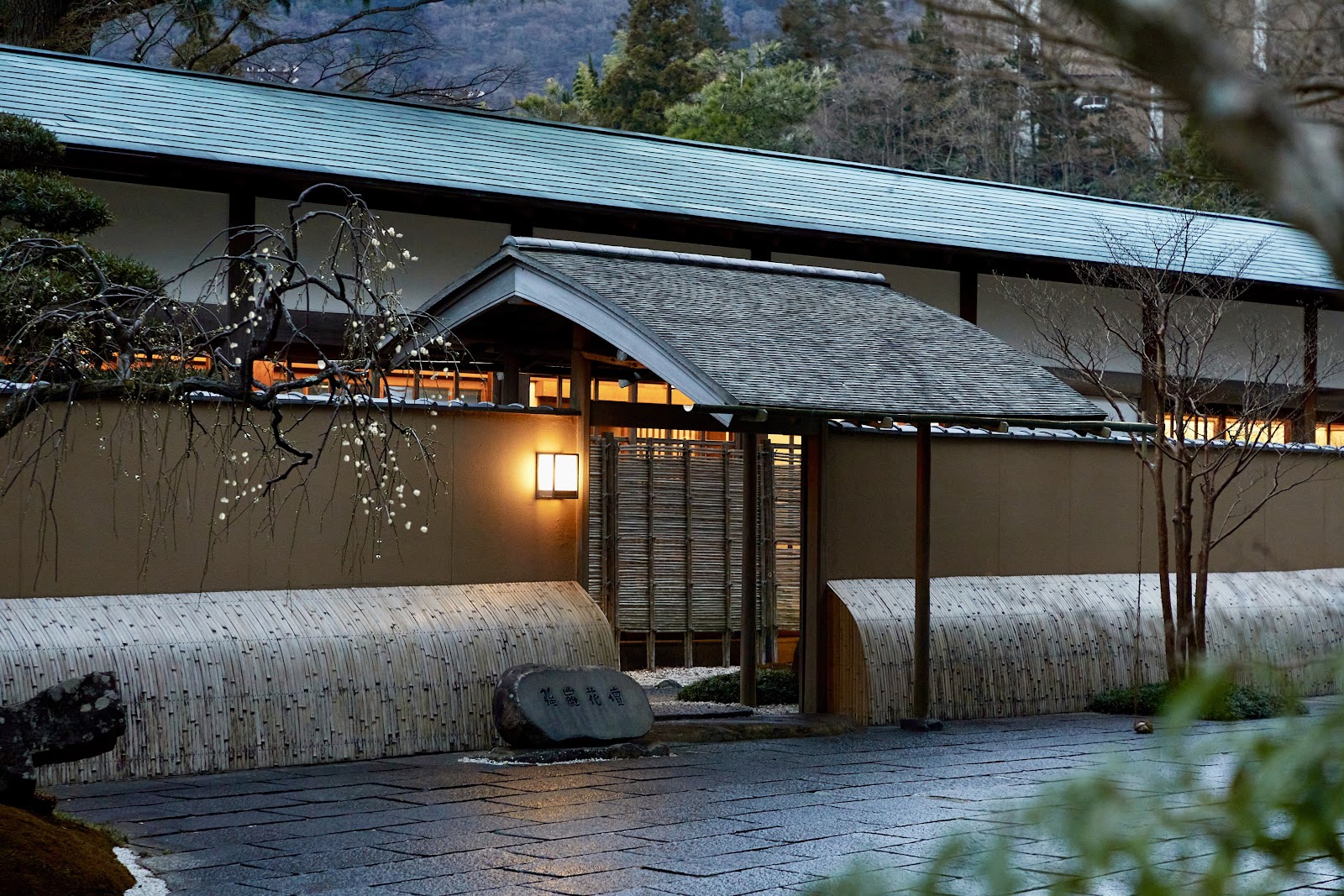
Two nights at Gora Kadan are the emotional center of this trip, and they cost you almost nothing in extra travel. The Odakyu Romancecar runs direct from Shinjuku to Hakone-Yumoto in about 85 minutes, and Hakone's gateway station, Odawara, sits right on the Shinkansen line you take onward to Kyoto. Gora Kadan stands on the grounds of a former summer villa of the imperial family and delivers the full ryokan sequence: yukata on arrival, multi-course kaiseki dinner, open-air onsen bathing. Specify a room with a private open-air bath when you reserve, both because categories vary widely and because shared baths in Japan often restrict visible tattoos. Two nights matter more than one: the first evening disappears into dinner, and only the full second day gives you the ropeway, Lake Ashi, and, when the weather cooperates, Mount Fuji. Fuji hides more often than the postcards admit, so treat a sighting as a bonus rather than the plan.
Where should you stay in Kyoto?
Choose by temperament: Hoshinoya Kyoto for seclusion, The Ritz-Carlton, Kyoto for walkability. Hoshinoya is a 25-room ryokan on the river in Arashiyama, reached by the hotel's private boat from Togetsukyo Bridge, and that arrival remains one of the great entrances in world hotels. The seclusion is also the trade: you cannot stroll out for late ramen, and the boat timetable shapes your evenings. The Ritz-Carlton takes the opposite bet with 134 rooms and suites on the Kamogawa river and the city center on foot, entry rates from roughly 130,000 yen, and the concierge muscle that opens dining counters no booking platform shows. Whichever you pick, work Kyoto early: Fushimi Inari at dawn is a different place from Fushimi Inari at noon, and Arashiyama's bamboo grove is best before 8am. Hold one day loose for a tea ceremony or the Philosopher's Path.

How should you finish: Osaka, Nara, or Kanazawa?
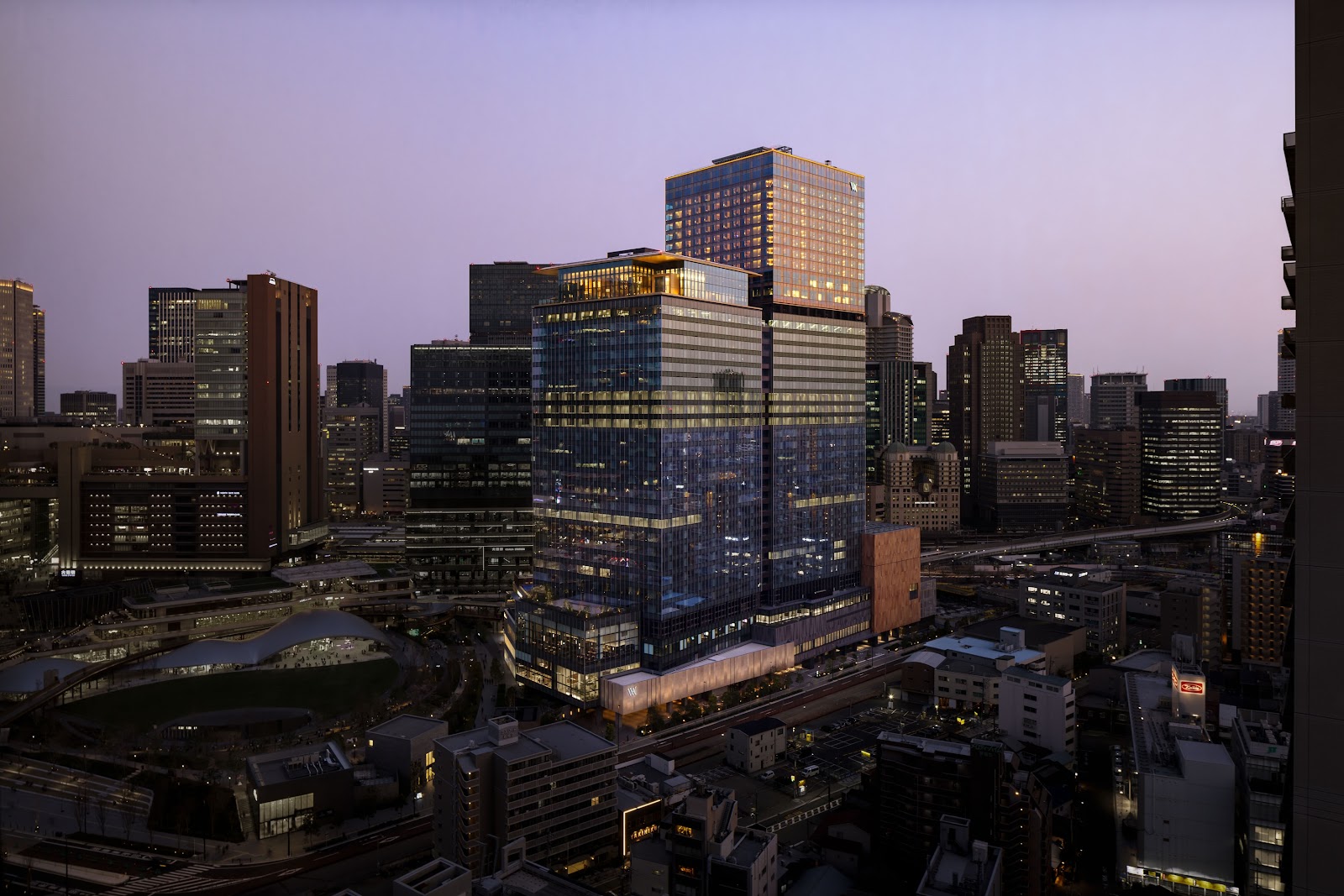
End in Osaka rather than looping back to Tokyo, and fly home from Kansai International. The move costs about 15 minutes on the Shinkansen from Kyoto, the shortest hop of the trip. The hotel case strengthened dramatically in 2025 when Waldorf Astoria Osaka opened on April 3 as the brand's Japan debut: 252 rooms in the new Umekita quarter beside Osaka Station, with rates that regularly land below Tokyo's top tier. That makes Osaka the itinerary's value stop as well as its best eating city; give one evening to the standing bars of Tenma or the kushikatsu counters of Shinsekai rather than another hotel restaurant. Spend the second day in Nara, about 45 minutes by train; the Great Buddha and the deer park fill a day and do not need an overnight. If you prefer crafts and quieter streets to street food, swap the Osaka finale for Kanazawa between Tokyo and Kyoto instead: about two and a half hours from Tokyo on the Hokuriku Shinkansen, then around two hours to Kyoto with a single change at Tsuruga.
Is the Japan Rail Pass worth it in 2026?
No. This route cannot recoup it. The 14-day nationwide pass costs 80,000 yen, and JR has confirmed a rise to 84,000 yen for passes bought from October 1, 2026. Against that, the route's actual rail spend is modest: the direct Tokyo-to-Kyoto Nozomi runs about 2 hours 15 minutes and roughly 14,000 yen in an ordinary reserved seat, and this itinerary replaces even that with the cheaper Odawara split, a 15-minute Kyoto-to-Osaka hop, and the Romancecar. Reserved seats for the whole route total roughly 20,000 to 25,000 yen per person. Book through the SmartEX app or any JR ticket office, and reserve ahead in blossom and foliage weeks, when green car seats genuinely sell out. A pass only pays when one trip stacks long distances such as Hiroshima and Hokkaido.
How does luggage forwarding actually work?
Forward your luggage and ride every train with a day bag; it is the single best logistics trick in Japan. The service is takkyubin, run nationally by Yamato Transport and bookable at any hotel front desk in about five minutes. A large suitcase costs roughly 2,000 to 3,000 yen to send, and delivery between Tokyo and Kyoto hotels is next-day, not same-day. Plan around that lag: when you check out of Tokyo on day 6, send the big cases directly to your Kyoto hotel and carry a two-night bag to Hakone, where the ryokan provides yukata and you need little else. Repeat the trick from Kyoto to Osaka or straight to the airport. Add an eSIM and a Suica card in your phone wallet, and the trip runs friction-free from hour one.
When should you go, and what will it cost?
Late April to early June and October are the smart windows: mild weather, real availability, and rates well below the peaks. Cherry blossom season, late March to early April, and November foliage are the two price surges, when the small ryokan sell out six to nine months ahead and nightly rates at the marquee properties can double. If those weeks are the point of your trip, confirm Gora Kadan and Hoshinoya Kyoto before you buy flights. July and August are hot and humid enough to reorganize your days around air conditioning.
On budget, plan the hotel line first because it dwarfs everything else. As of July 2026, entry rates open above 200,000 yen a night at Aman Tokyo and from roughly 130,000 yen at The Ritz-Carlton, Kyoto, while the ryokan rates typically include kaiseki dinner and breakfast for two, which flatters the comparison with room-only city hotels. A couple following this route at the hotels named should budget roughly 1.6 to 2.8 million yen for 13 nights before flights, less in shoulder season or in entry room categories. Rail, at under 25,000 yen a person, is a rounding error next to that. Concentrate spend on one extraordinary ryokan stay and a couple of serious dinners rather than spreading it thinly across all thirteen nights.
What are the honest cons?
The real frictions are crowds, new taxes, and the ryokan rhythm. Kyoto's marquee sights are genuinely packed for most of the day, which is why the dawn starts above are not optional advice. From March 1, 2026 Kyoto also charges a steeply tiered lodging tax: 10,000 yen per person per night on rooms of 100,000 yen or more, and 4,000 yen on the 50,000 to 99,999 band, so a couple's four-night luxury stay can quietly add 32,000 to 80,000 yen. Ryokan life has real trade-offs: dinner is served early, often around 6 or 6:30pm, meal times are fixed, and futon-on-tatami sleeping divides opinion, which is why two ryokan nights beat four. Finally, this is Japan's most trafficked corridor, and travelers who want emptier country should trade the Osaka finale for Kanazawa or save the far north for a second trip. What the route gives up in discovery it repays in trains that run every ten minutes.
For the planning framework behind any multi-stop trip, start with the multi-destination pillar, compare this route with the 2-week Europe itinerary, or go deeper on the capital with our best hotels in Tokyo ranking.
Frequently asked questions
Is two weeks enough time for Japan?
Yes, comfortably, for four bases in one direction: Tokyo, Hakone, Kyoto, and Osaka. Thirteen nights split five, two, four, and two gives every stop room to breathe. Adding Hiroshima or Hokkaido on top turns the trip into a train schedule, so save them for a second visit.
Should I buy a Japan Rail Pass for this itinerary?
No. The 14-day nationwide pass costs 80,000 yen, rising to 84,000 yen for passes bought from October 1, 2026, while this route's reserved Shinkansen and express seats total roughly 20,000 to 25,000 yen per person. Book individual tickets through the SmartEX app or a JR office and reserve seats ahead in blossom and foliage weeks.
When is the best time to do this itinerary?
Late April to early June and October are the sweet spots: mild weather, open availability, calmer prices. Cherry blossom season from late March to early April and November foliage are spectacular, but the top ryokan sell out six to nine months ahead and rates surge. July and August heat is intense enough to reshape your days.
How far ahead should I book the hotels and ryokan?
Six to nine months for Gora Kadan and Hoshinoya Kyoto in blossom or foliage season, and at least three months for the city hotels. The small ryokan go first because they have so few rooms; Hoshinoya Kyoto has only 25. Outside the two peaks, six to eight weeks is usually enough.
What is Kyoto's new accommodation tax?
From March 1, 2026 Kyoto charges a per-person, per-night lodging tax that scales with the room rate, topping out at 10,000 yen per person on rooms of 100,000 yen or more. Rooms priced between 50,000 and 99,999 yen carry a 4,000 yen tax. A couple spending four nights in a top suite can add up to 80,000 yen.
How do I travel with big suitcases on this route?
Forward them. Every hotel desk books takkyubin, Japan's luggage-forwarding service, at roughly 2,000 to 3,000 yen per large case. Delivery between Tokyo and Kyoto hotels is next-day, not same-day, so send bags ahead when you leave for Hakone and carry a two-night overnight bag. You ride every train hands-free.
Can I swap Osaka for Kanazawa or somewhere quieter?
Easily. Kanazawa slots between Tokyo and Kyoto: about two and a half hours from Tokyo on the Hokuriku Shinkansen, then around two hours to Kyoto with one change at Tsuruga. Keep Nara as a day trip from Kyoto or Osaka rather than an overnight; its marquee sights fit comfortably into one day.


