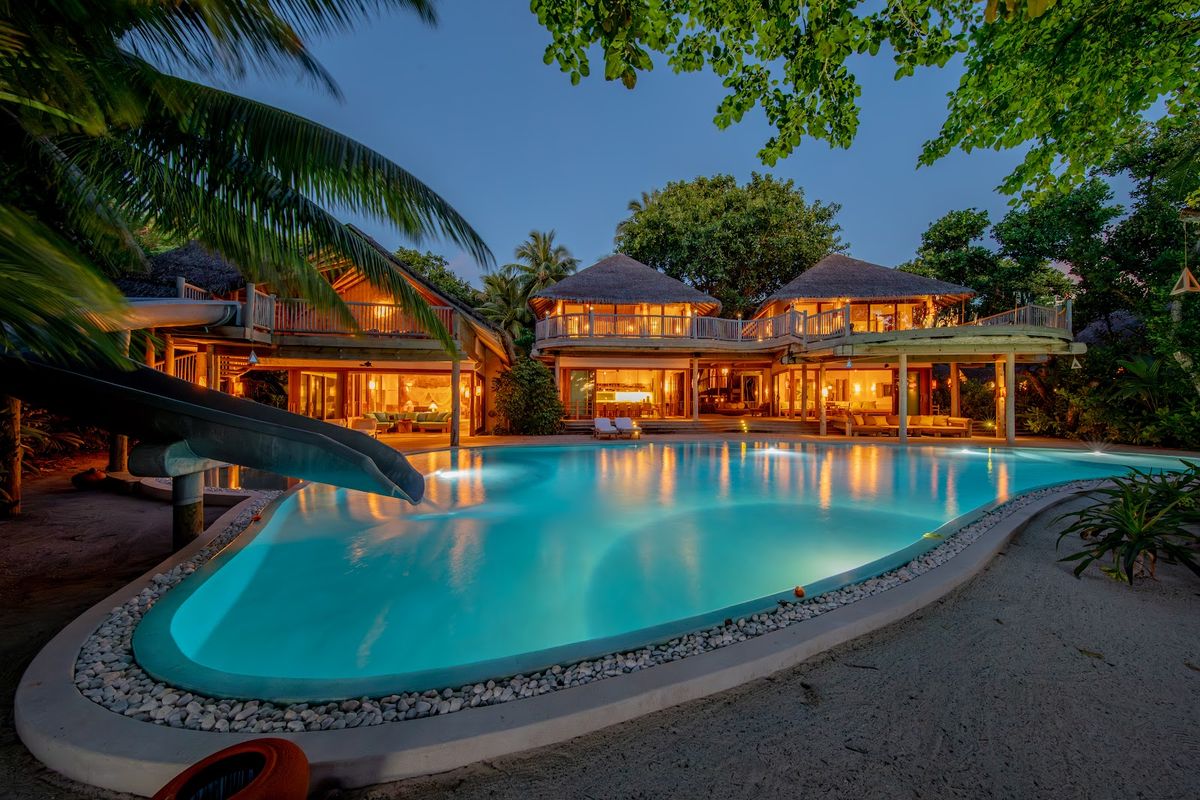
In a big destination, the area you choose matters more than the hotel. The Maldives has dozens of atolls, Bali five distinct regions, the Amalfi Coast three very different towns. Get the area right for your trip and an average hotel still delivers; get it wrong and the best hotel cannot fix it. This guide gives you the decision framework, then points to the destination-specific deep dives.
Some links below are affiliate links. If you book through them we may earn a commission at no extra cost to you. We rank hotels editorially and never accept payment for placement.
Want the shortlist?
Hotel picks and subscriber only special offers, curated weekly. Free to join.
Why the area comes before the hotel
Choose the area first, then the hotel, because a great property in the wrong region cannot deliver the trip you wanted. Large destinations are not uniform: they bundle several genuinely different experiences under one name, and on a short trip you only get one of them. Three situations make the area choice decisive. When a destination has diverse character, the Maldives' atolls, Bali's regions, the Greek islands, each area is effectively a separate holiday. When you have limited time, a three-to-five-night trip cannot roam, so the area you land in is the trip. And when the trip has a specific occasion, a honeymoon, a family holiday, a wellness reset, different areas within the same destination suit each far better than others. Pick the region for the occasion, then compare the hotels inside it.
The major destinations, and what the choice turns on
Each big destination has one or two decisions that shape everything else. The table below sets out the areas that matter and the driver behind the choice, with a link to the full deep dive for each.
| Destination | Areas to weigh | What the choice turns on |
|---|---|---|
| Maldives | Baa, North & South Male, southern atolls | Reef quality and transfer type |
| Bali | Ubud, Uluwatu, Seminyak, Canggu, Nusa Dua | Jungle vs cliff vs beach |
| Santorini | Oia, Imerovigli, Firostefani/Fira | Views vs calm vs walkability |
| Amalfi Coast | Positano, Amalfi, Ravello | Buzz vs central vs serenity |
| Caribbean | Dozens of islands | Vibe, flights and season |
| Swiss Alps | Zermatt, St Moritz, Verbier, Gstaad | Skiing vs scene vs seclusion |
| African Safari | Kenya, Tanzania, South Africa | Ecosystem and migration timing |
Island destinations: reef, region and transfer
In island destinations the area choice is driven by water and logistics as much as by style. In the Maldives, the atoll determines reef and marine life, the transfer type, a short speedboat versus a domestic flight plus a boat, and which resorts are even in reach; the Baa Atoll biosphere is prized for its marine life, while the far southern atolls trade easy access for seclusion. Our Maldives deep dive maps this atoll by atoll. The wider Caribbean is really dozens of separate destinations: the island sets the vibe, the flight connections and the exposure to hurricane season, so the island decision precedes everything, as our Caribbean island comparison lays out.
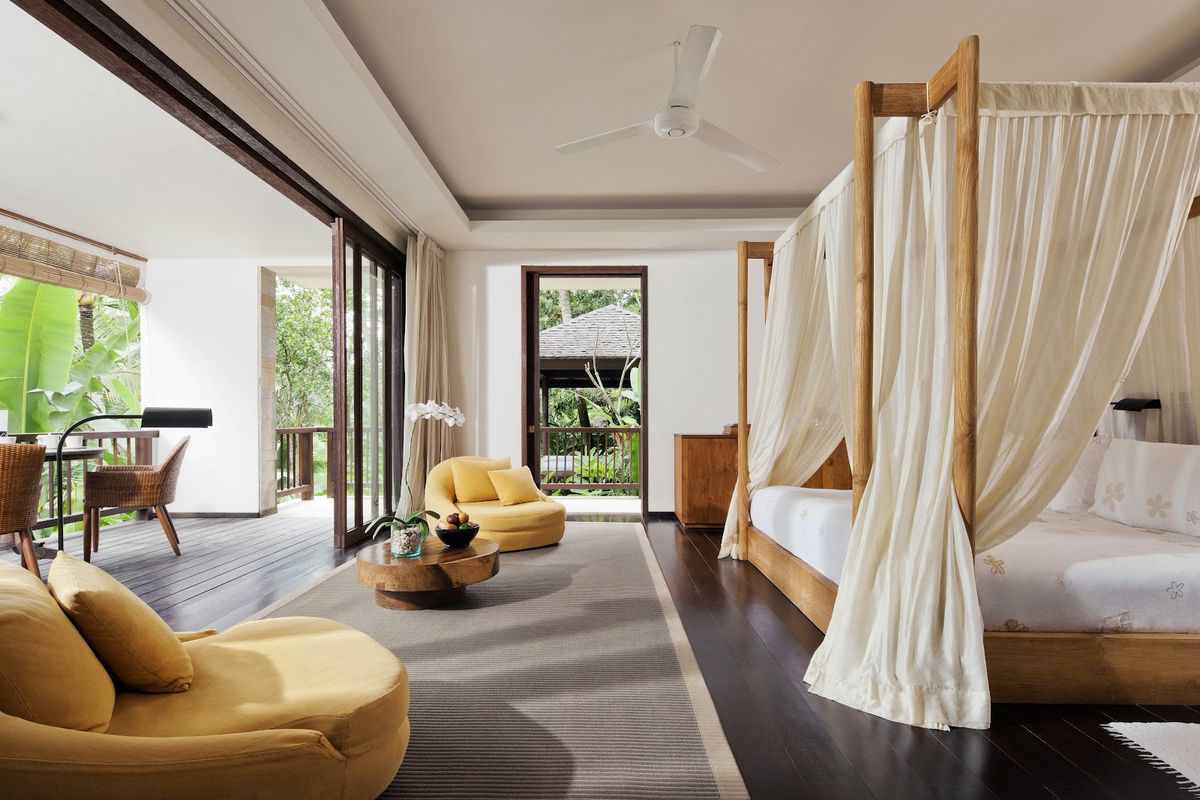
Bali is the clearest case of one name, several trips: Ubud is jungle and wellness, Uluwatu is dramatic clifftops, Seminyak and Canggu are beach, surf and food, and Nusa Dua is the family-resort enclave. Match the region to the occasion, then choose the hotel, using our Bali region guide.
Mediterranean: villages and towns
In the Mediterranean, the decision is which village or town, and it changes the whole texture of the stay. On Santorini, Oia is the famous caldera-sunset village and the most crowded, Imerovigli is quieter with the same views, and Firostefani and Fira trade a little serenity for being walkable into town, a trade-off our Santorini village guide unpacks. On the Amalfi Coast, Positano is the vertical, glamorous poster town, Amalfi itself is central and practical for exploring, and Ravello sits high above the coast for quiet and gardens; each produces a distinctly different holiday, as our Amalfi town guide explains. In both, the view, the noise and the ease of getting around are the real variables, not the hotels themselves.
Mountains and safari: match to purpose and season
For alpine and safari trips, the area is tied to purpose and timing more than to mood. In the Swiss Alps, Zermatt pairs the Matterhorn with car-free charm and serious skiing, St Moritz is the see-and-be-seen resort, Verbier skews toward serious skiers and Gstaad toward discreet seclusion, so the town encodes the kind of trip you want, per our Swiss Alps resort-town guide. On an African safari, the country sets the ecosystem and the wildlife calendar: Kenya and Tanzania for the Great Migration with its season-dependent river crossings, South Africa for accessible, malaria-free options and easy add-ons; our safari lodge guide compares them, and the broader category sits in our safari and adventure hotels guide. Here, booking around the season matters as much as the lodge.
A framework for choosing within destinations
Three moves turn all of this into a decision. First, match the area to the trip type: name what the trip is for, honeymoon, family, wellness, adventure, and let that select the region before you look at a single hotel. Second, check the transfer logistics early, because remote atolls, islands and lodges can add flights and boats that eat into a short stay and a fixed budget. Third, combine areas only when the nights allow: two contrasting areas make a rich seven-night-plus trip and amortise a long flight, but on three to five nights you should commit to one area and go deep. The honest limit of any framework is that it narrows the field rather than naming your hotel, so finish with the destination deep dives and our city pages.
Five rules for a destination deep dive
- Choose the area before the hotel; the region shapes the trip more.
- Let the occasion pick the area, honeymoon, family and wellness want different places.
- Confirm transfer type, cost and timing before you book anything remote.
- Combine two areas only for seven nights or more; otherwise go deep on one.
- Finish with the destination-specific deep dive to choose the actual hotel.
The most common area mistakes
Most disappointing trips to big destinations trace back to one of a few avoidable errors. The first is booking the famous name by default: Oia on Santorini and Positano on the Amalfi Coast are stunning and also the most crowded and expensive parts of their coastlines, and a quieter neighbour often gives the same views with more calm. The second is underestimating transfers: travellers pick a remote Maldivian atoll or a far-flung safari camp for the seclusion, then lose the better part of two days, and a chunk of budget, to seaplanes and light aircraft they had not priced in. The third is spreading a short trip too thin, hopping between two or three areas on a five-night stay and spending the saved-up holiday in transit. The fourth is ignoring the season: the right island in hurricane months, or the right safari country in the wrong migration window, undoes an otherwise perfect choice. The fix for all four is the same, decide the area deliberately, then read the destination-specific deep dive before you commit.
Frequently asked questions
Why does the area within a destination matter?
Because big destinations are not uniform. The Maldives spans dozens of atolls, Bali has five regions, and Santorini, the Amalfi Coast and the Caribbean each contain places with completely different character. On a short trip you experience one area, so the area choice shapes the trip more than the choice between two good hotels within it.
How do I match an area to my trip?
Start from the occasion. A Bali honeymoon leans to Ubud and Uluwatu, a family trip to Nusa Dua or Ubud, a wellness trip to Ubud alone. Decide what the trip is for, pick the area that delivers it, and only then compare hotels within that area.
Should I combine two areas in one trip?
For seven nights or more, splitting between two contrasting areas often works well and amortises a long flight. For three to five nights, commit to a single area, because transfers eat into short trips.
How important are transfer logistics?
Very, in island and remote destinations. Some Maldives resorts are a short speedboat away while others need a domestic flight plus a boat, and safari lodges can involve light aircraft. Confirm the type, cost and timing before booking.
For more, explore the destination deep dives for the