"Farm-to-table" is the most abused phrase in hotel dining. The genuine article means real agricultural infrastructure feeding the kitchen, and it tastes unmistakably different from a menu that merely name-drops "local." Below are five properties where the farm is real to the degree each claims, and the two signals that expose the ones where it is only marketing.
What does real farm-to-table actually deliver?
Three things a supply chain cannot fake. Freshness: vegetables harvested hours before service, fish landed the morning of dinner. Variety and seasonality: an estate garden grows dozens of crops, so the menu genuinely changes with what is ripe rather than reprinting year-round. Story and access: a real farm-to-table kitchen names its sources and usually lets you walk the garden or farm. The best properties trace a large share of the menu to their own land or immediate area. Our sustainable hotel guide sets the wider context for judging these claims.
| Hotel | Where | The agriculture | Best for |
|---|---|---|---|
| Borgo Santo Pietro | Tuscany | 300-acre working organic estate | Estate immersion, Michelin dining |
| Babylonstoren | Cape Winelands | Working farm, 3.5ha edible garden | Garden-led lunches, wine |
| Soneva Fushi | Maldives | Island organic gardens | Barefoot luxury, garden dining |
| Auberge du Soleil | Napa Valley | Seasonal Napa sourcing | Wine-country fine dining |
| The Brando | French Polynesia | Island gardens, responsible imports | Remote eco-luxury |
All hotels named were confirmed open in July 2026. How we choose is set out in our methodology.
Borgo Santo Pietro, Tuscany
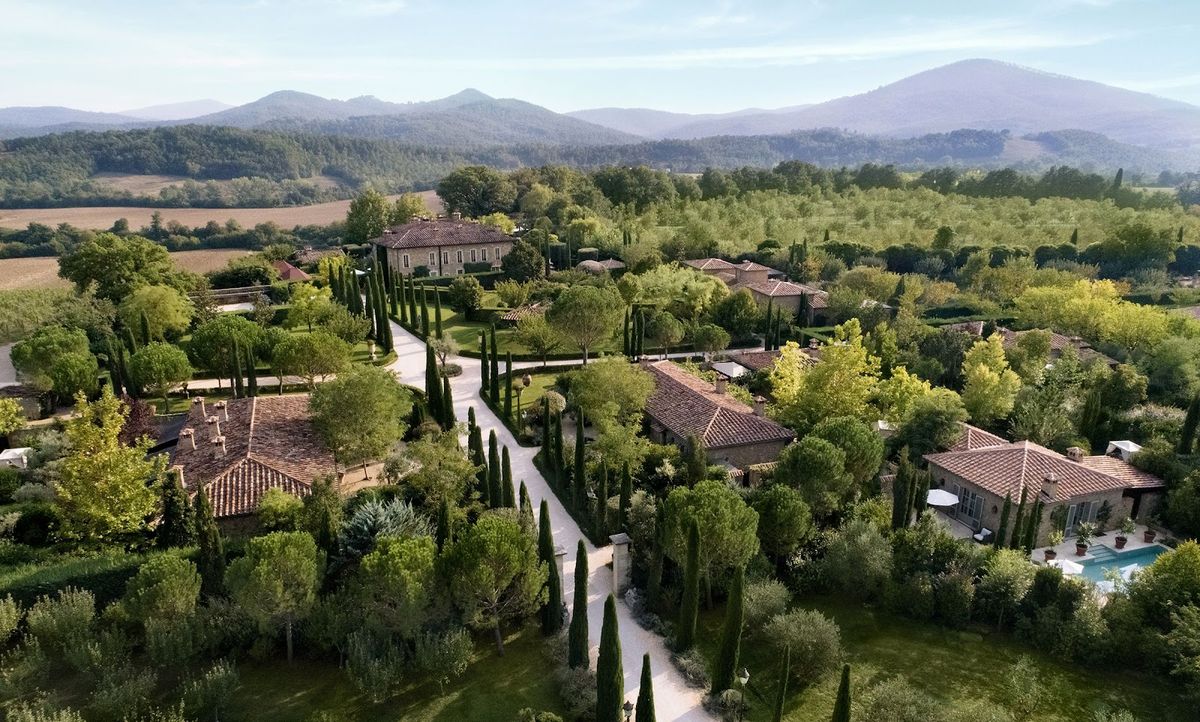
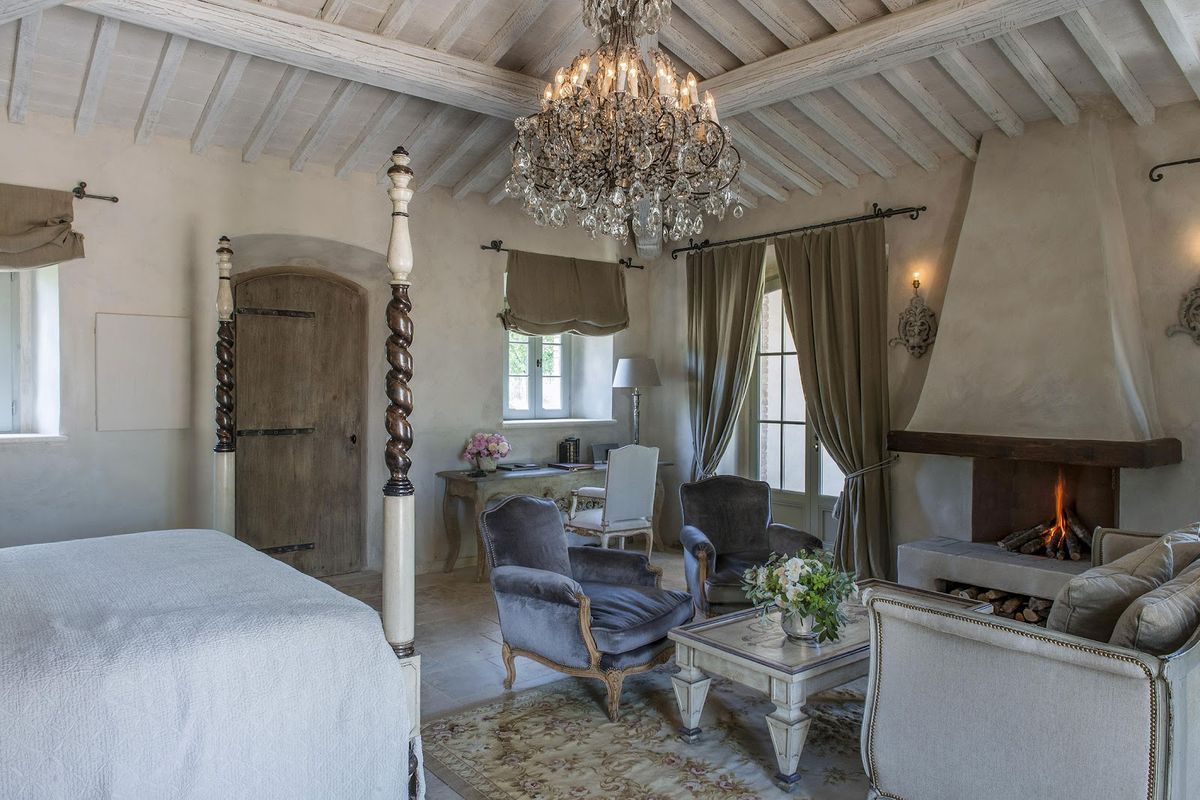
Borgo Santo Pietro is the fullest expression of farm-to-plate on this list, a 300-acre working organic estate around a restored 12th-century villa. At Borgo Santo Pietro the farm, gardens, dairy and beehives supply the kitchens directly, and its restaurant carries a Michelin star built on estate-grown produce.
Honest trade-off: it is remote, roughly an hour from Siena down country roads, so this is a stay-put estate retreat rather than a touring base. It is also priced at the top of the Tuscan market, and demand for the small number of rooms is high in summer.
Babylonstoren, Cape Winelands
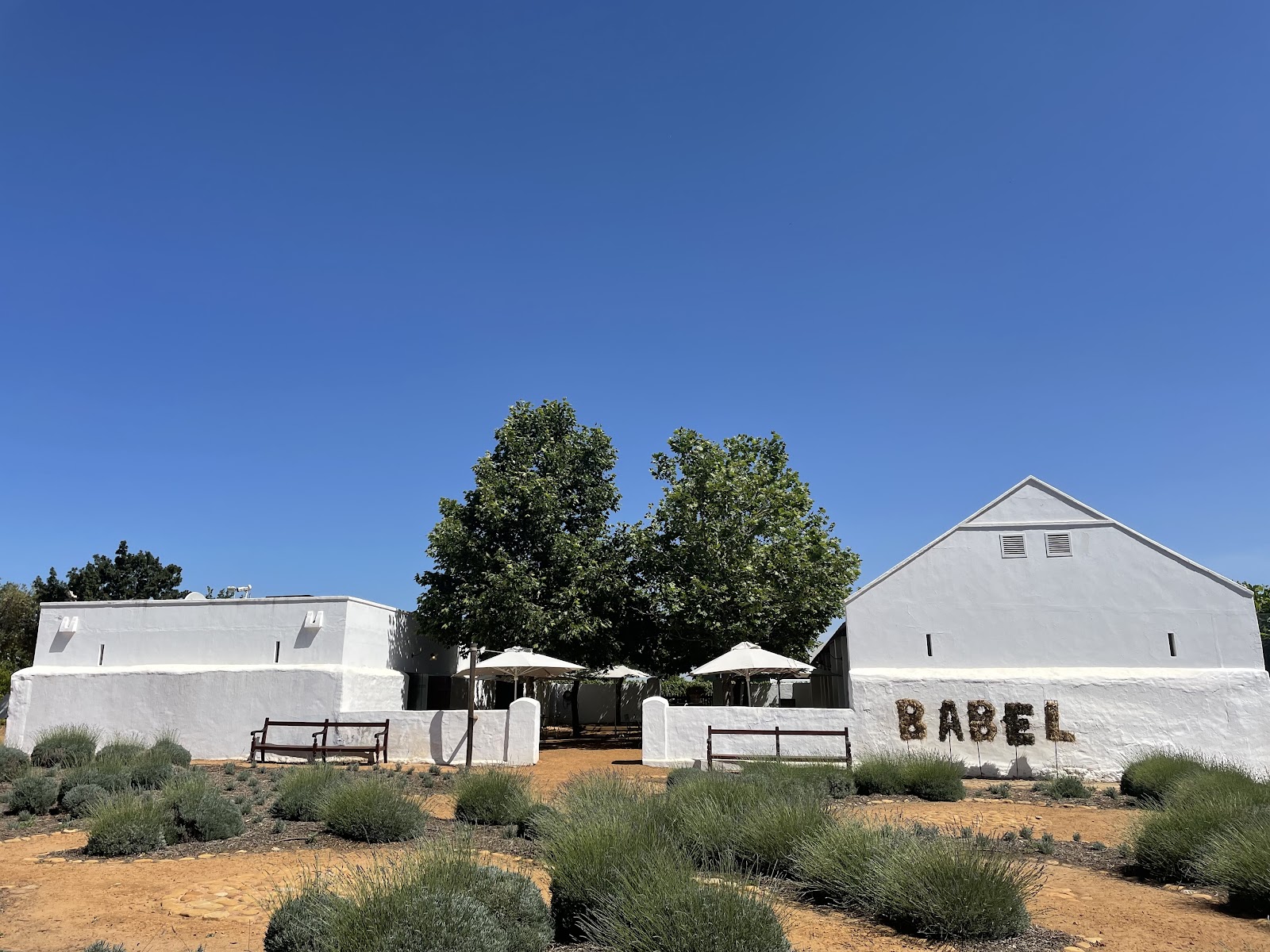
Babylonstoren is a genuine working farm you can sleep on, one of the oldest Cape Dutch estates at the foot of Simonsberg. The 3.5-hectare edible garden at Babylonstoren grows more than 300 plants and feeds its flagship Babel restaurant on a pick, clean and serve principle, alongside the estate's own wines.
Honest trade-off: Babel serves lunch only, Wednesday to Sunday, so plan meals around it rather than assuming dinner there, and the garden is a popular day-visit attraction, so the estate is busier by day than a secluded retreat. Book the hotel and restaurant well ahead in the South African summer.
Soneva Fushi, Maldives
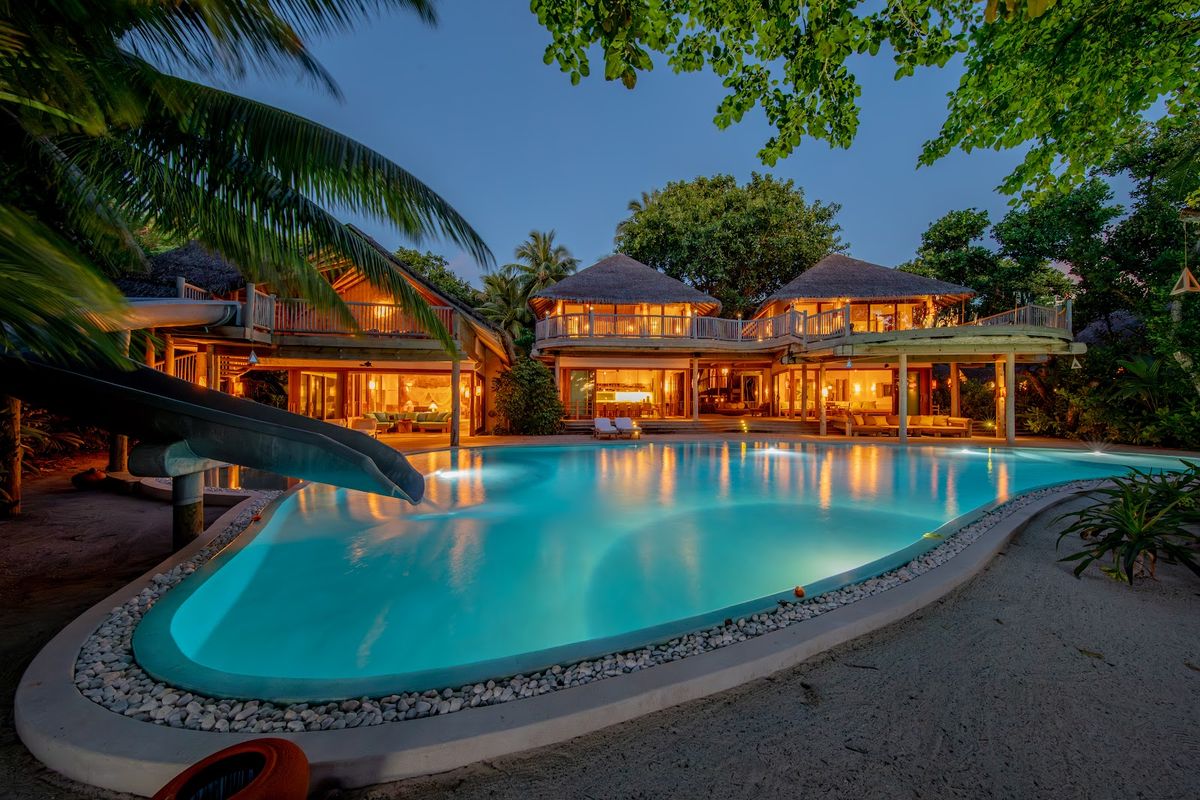
Soneva Fushi proves an island can still farm. The organic gardens on this Baa Atoll island supply Soneva Fushi's Fresh in the Garden, an open-air restaurant set above the beds where much of what you eat is harvested steps away and paired with just-caught seafood.
Honest trade-off: an island garden can only grow so much, so a share of ingredients is still shipped in, as it must be in the Maldives. And Soneva Fushi is a long-haul, high-cost destination reached by seaplane, so the farm-to-table story is one reason to come rather than the only one.
Save this for later
Our verified sustainable and food-led hotels, plus subscriber-only offers, in one Sunday email.
Auberge du Soleil, Napa Valley
Auberge du Soleil is farm-to-table in the wine-country sense: a Michelin-starred kitchen built on seasonal Napa produce. On a Rutherford hillside, Auberge du Soleil has held its Michelin star for years by cooking what the valley's growers and its own gardens yield, served on a terrace over the vineyards.
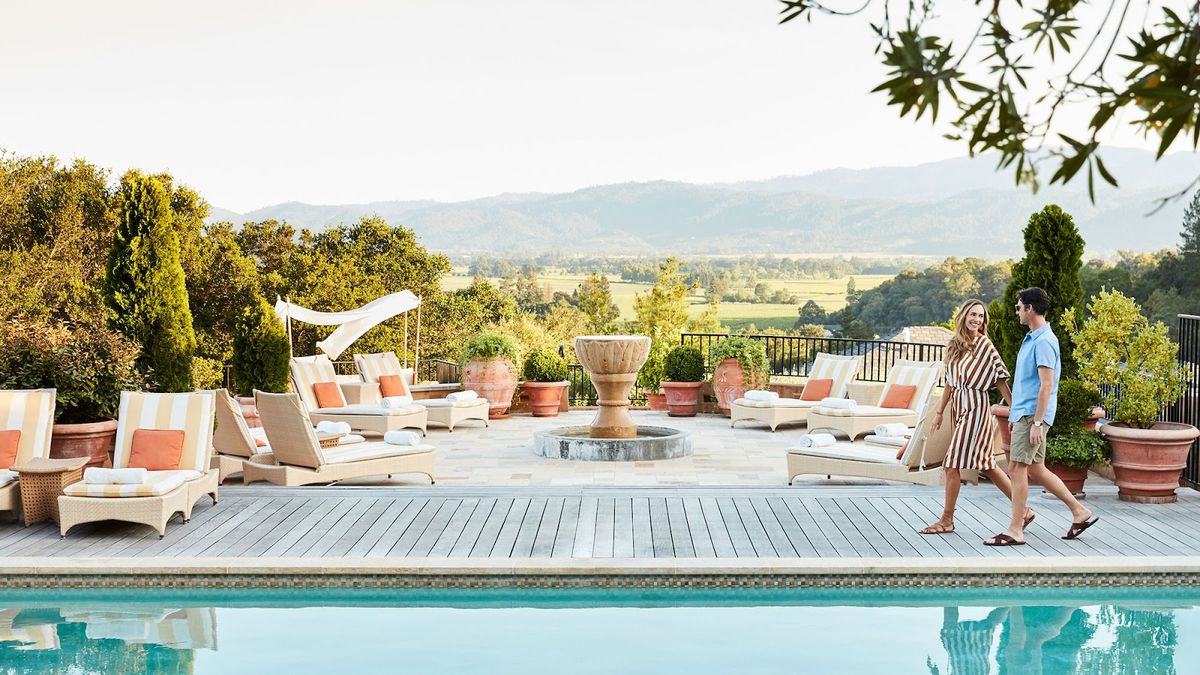
Honest trade-off: this is seasonal and local sourcing rather than a single large on-site farm, so if you want to walk the fields that grew your dinner, an estate like Borgo or Babylonstoren is the truer fit. Napa prices are steep, and the terrace books out at sunset.
The Brando, French Polynesia
The Brando takes the remote-island approach, growing what a fragile atoll allows and importing the rest responsibly. On Tetiaroa, 33 miles from Tahiti, The Brando is a fossil-fuel-free resort whose kitchens draw on island gardens and coconut groves as part of a wider conservation and sustainability program.

Honest trade-off: a tiny atoll cannot self-supply a resort, so much of the larder still arrives by boat and plane; the sustainability story is real but broader than pure farm-to-table. It is also one of the most expensive and hardest-to-reach hotels in the world.
How do you spot farm-to-table greenwashing?
Two signals give it away. The first is vague sourcing: a menu that says "locally sourced" without naming a single farm or a distance is usually leaning on the phrase, not the practice. The second is the token gesture: one "garden salad" or herb box while the rest of the menu runs on the same wholesale supply chain as any hotel. Ask the kitchen what came from where and how far it travelled; a genuine farm-to-table operation answers instantly, and often a large share of the menu traces to the estate or its immediate area. If the answer is a shrug, you are paying a premium for marketing.
Five rules for choosing a farm-to-table hotel
- Verify real on-site or immediate-area agriculture, not just a "local sourcing" line.
- Ask what share of the menu comes from the estate, and expect a specific answer.
- Estate wine regions, Tuscany, the Cape Winelands and Napa, lead for the genuine article.
- Take the farm or garden tour if offered; real properties are proud to show it.
- On remote islands, judge the wider sustainability program, not just the garden.
Your farm-to-table hotel questions, answered
What counts as a real farm-to-table hotel?
Which hotels have real working farms?
How do you spot farm-to-table greenwashing?
Are farm-to-table hotels worth the premium?
Where in the world leads for farm-to-table luxury?
Affiliate disclosure: when you book through links on this page we may earn a commission at no extra cost to you. Commissions never influence our recommendations or verdicts; we never accept payment for placement.