Luxury hotels increasingly trade on the architect behind them, because a single design hand is the surest sign a property was conceived as a whole rather than assembled from parts. Kerry Hill shaped the Aman look; Antonio Citterio gives every Bulgari its identity; Frank Gehry turned a Rioja vineyard into a sculpture. Here are the architects worth booking for, and how to plan a trip around them.
Affiliate disclosure: when you book through links on this page we may earn a commission at no extra cost to you. We never accept payment for placement, and every hotel here was verified as open and bookable in July 2026.
Why book a hotel by its architect?
Because a named architect is a shortcut to coherence. When one studio designs the building, the interiors, and the landscape together, the result tends to feel deliberate and to age well — the original Aman resorts still photograph as convincingly as new builds decades on. Three forces have pushed architecture to the front of hotel marketing: the design press now covers hotels as seriously as museums; signature buildings create the visual identity that drives bookings and social sharing; and architectural rigour simply lasts longer. The honest caveat is that great architecture guarantees neither comfort nor service, so treat the architect as one strong signal among several rather than the whole decision.
Want the shortlist?
Hotel picks and subscriber-only special offers, curated weekly. Free to join.
The architects worth booking for
These names account for a large share of the design-led luxury hotels worth crossing a continent for. Each has a recognisable signature, and at least one flagship you can book today.
Kerry Hill — the Aman vocabulary
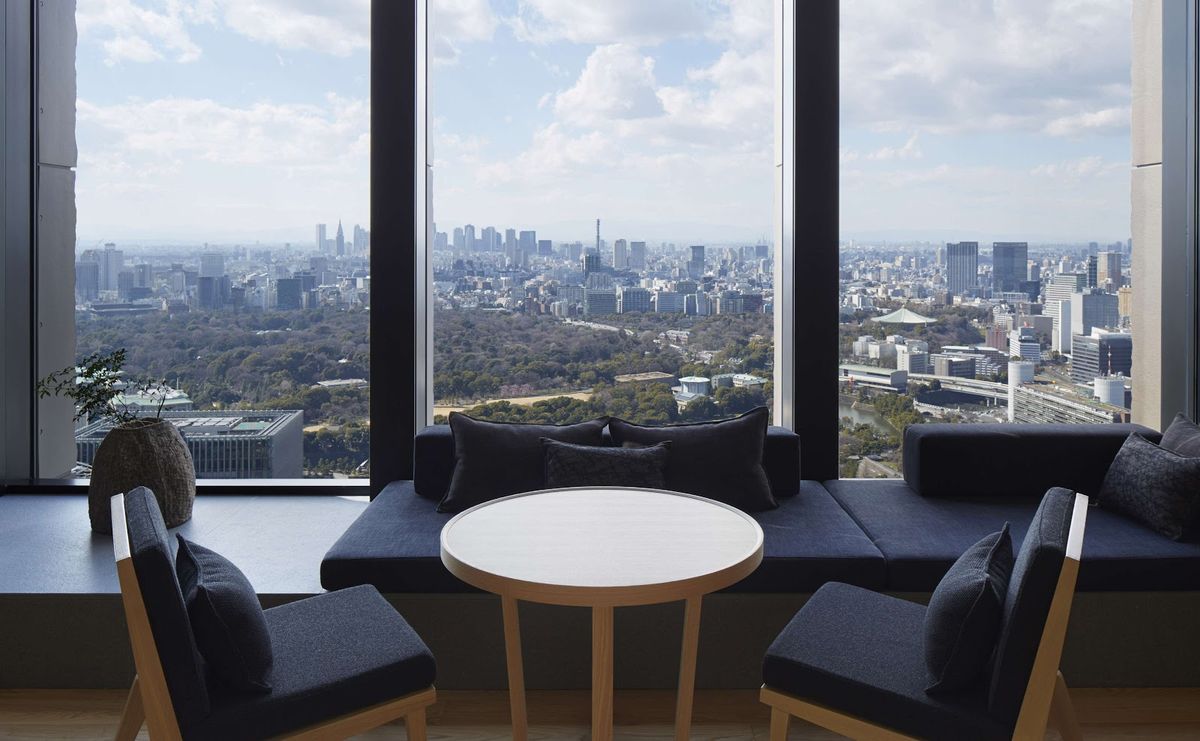
The Australian architect who defined the Aman look. Kerry Hill (1943–2018) designed most of the early Aman properties and the vertical Aman Tokyo, translating regional building traditions — deep eaves, natural stone, ordered timber — into a calm modern language. His hotels feel rooted in place rather than imported, which is why they still read as contemporary. The trade-off: the restraint that ages so gracefully can feel austere to guests who want colour and exuberance.
Antonio Citterio — the Bulgari collection
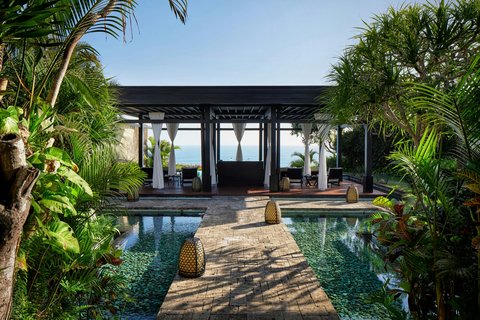
One studio, one language, worldwide. Antonio Citterio Patricia Viel has designed every Bulgari hotel, from Milan to the cliff-top Bulgari Resort Bali, giving the collection a consistent palette of dark stone, bronze, and clean lines whatever the city. Booking a Bulgari is booking a known quantity. The trade-off: that very consistency means the properties can feel more like a brand than a place; the local character sits in the setting more than the interiors.
Tony Chi — the Park Hyatt interiors
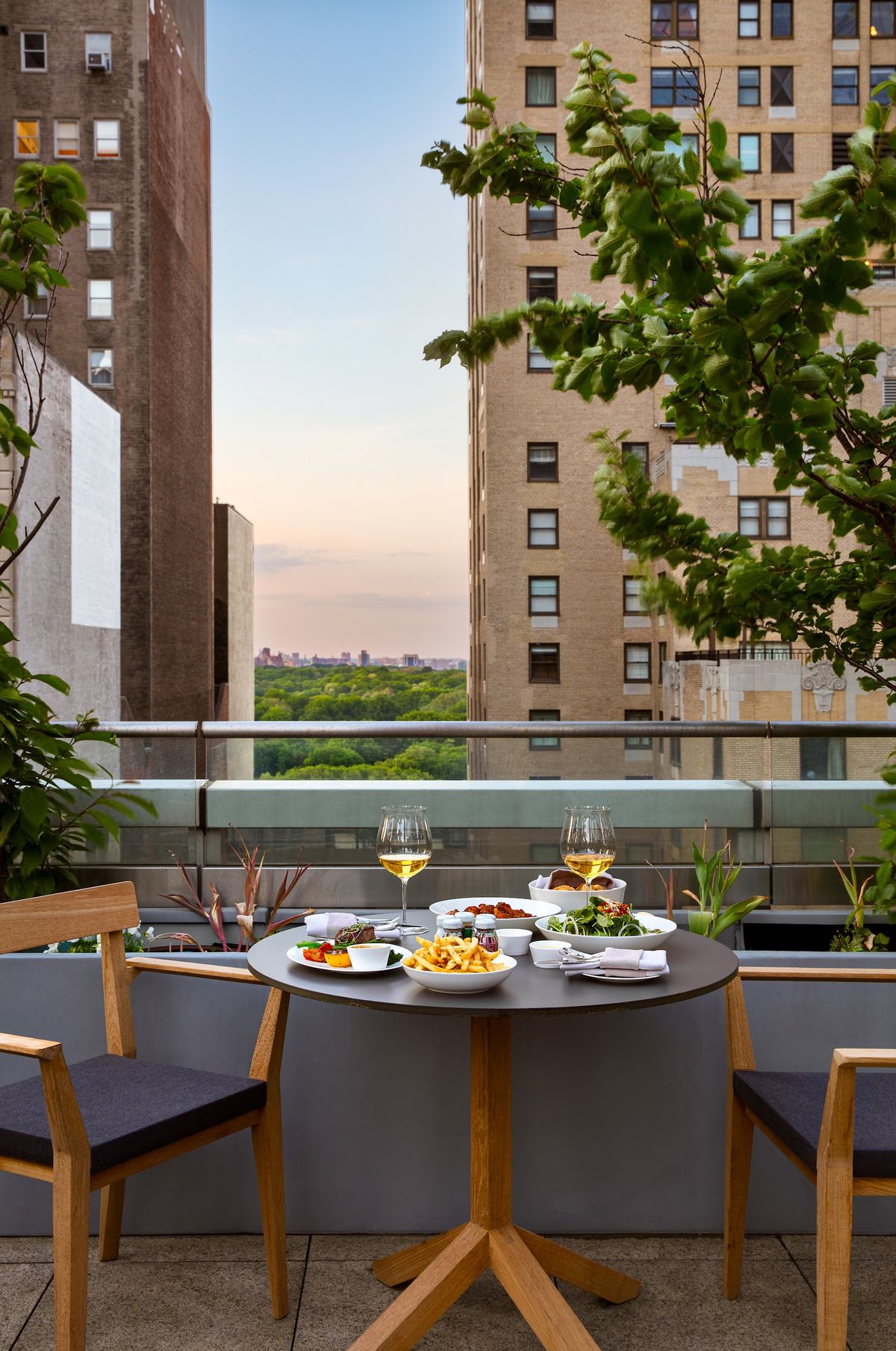
The interior architect behind some of the most composed hotel spaces of the last two decades. Tony Chi's work — including Park Hyatt New York — favours residential calm, tactile materials, and lighting that flatters, an approach that quietly influenced a generation of city hotels. The trade-off: Chi designs interiors rather than whole buildings, so the effect depends on the shell he is working within; the magic is in the rooms, not always the exterior.
Frank Gehry — the single statement

The most photographed architect-designed hotel in the world. Gehry's Hotel Marqués de Riscal, a Luxury Collection hotel in Elciego, wraps a small wine-country hotel in ribbons of pink and silver titanium, a single unmistakable gesture rising from the vines. You go for the building as much as the stay. The trade-off: it is a statement more than a retreat — only a few dozen rooms, and the drama is external, so temper expectations of a sprawling resort.
Jean-Michel Gathy — the resort dramatist
The Belgian architect whose Denniston studio drew many of the most theatrical resorts of the modern era, across the Aman and One&Only portfolios and beyond. Gathy is known for long approaches, water everywhere, and sightlines engineered for arrival-moment impact. His work is the counterweight to Kerry Hill's restraint: where Hill quiets a space, Gathy stages it. The trade-off: the theatricality that makes his resorts so photogenic can occasionally prioritise the grand gesture over intimacy.
Yabu Pushelberg — the interior mood-makers
The Toronto studio of George Yabu and Glenn Pushelberg has shaped the interiors of some of the most influential city hotels of the past two decades, including Park Hyatt properties, Four Seasons Toronto, and the EDITION brand. Their signature is atmosphere over ornament — layered lighting, warm materials, and rooms engineered to feel like a private members' club rather than a lobby. Like Tony Chi, they work in interiors, so the pleasure is in the spaces you inhabit rather than the silhouette on the skyline. The trade-off: when the aesthetic is applied across many hotels for different owners, the most distinctive Yabu Pushelberg moments can be diluted by later refurbishments outside the studio's control.
Restoration as architecture
Not all architectural interest is new construction — some of the most compelling hotels are careful conversions of existing structures. The clearest 2026 example is Aman Sveti Stefan, the 15th-century fortified island village off Montenegro's Adriatic coast, which reopened on 1 July 2026 after a five-year closure. Preserving a stone village as a hotel is its own architectural discipline, one of restraint and reversibility rather than signature. The same instinct drives Royal Mansour Marrakech, built by Moroccan master artisans as a warren of individual riads in the traditional craft — architecture as living heritage rather than star authorship.

Architect, hotel, and style at a glance
Use this to match an architect's signature to the kind of stay you want. Each pairing lists one bookable flagship and the design character to expect.
| Architect | Signature hotel | Style | Where |
|---|---|---|---|
| Kerry Hill | Aman Tokyo | Regional-modern restraint | Tokyo |
| Antonio Citterio | Bulgari Resort Bali | Dark stone, bronze, clean lines | Bali |
| Tony Chi | Park Hyatt New York | Residential calm interiors | New York |
| Frank Gehry | Marqués de Riscal | Sculptural statement | Rioja, Spain |
| Jean-Michel Gathy | Aman & One&Only resorts | Theatrical resort staging | Asia & beyond |
| Yabu Pushelberg | Park Hyatt & EDITION interiors | Atmospheric, club-like rooms | Cities worldwide |
| Craft / restoration | Royal Mansour, Aman Sveti Stefan | Heritage preservation | Marrakech, Montenegro |
How to plan a trip around an architect
Build the itinerary around two or three properties by the same hand and let the design vocabulary carry across the trip. Most hotels credit their architect on the "About" or press page, and the design-led brands — Aman, Bulgari, Park Hyatt, Cheval Blanc — make the credit part of the pitch, so it is easy to verify before you commit. Stay at least three nights so you actually inhabit the architecture rather than photograph and leave, and read the architecture press — Dezeen and ArchDaily track new luxury openings months ahead. Pair this guide with our modern design hotels and historic luxury hotels roundups to cover both new-build and heritage ends of the spectrum.
How we chose, and what we removed
We focused on architects whose authorship is well documented and on hotels we verified as open and bookable in July 2026. In this update we removed several loosely attributed claims from the earlier version — hotels credited to architects without a solid public record — because unverifiable design credits are exactly the kind of detail that erodes trust. We kept only pairings we could confirm, and we flagged Aman Sveti Stefan's 2026 reopening rather than presenting it as continuously open. For more, see our most photogenic hotels guide, the Tokyo and Marrakech directories, and our editorial standards.