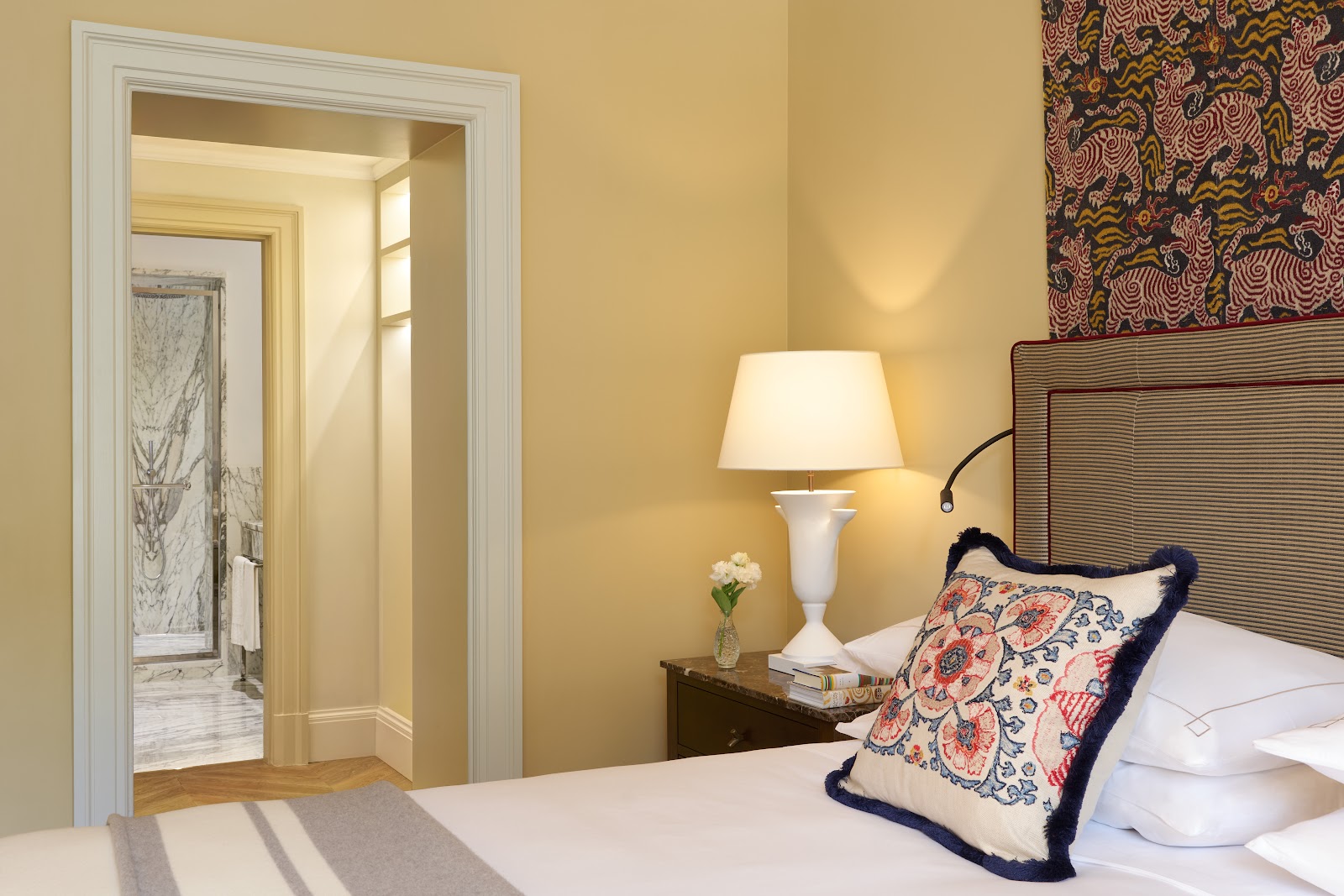
Fly into Rome, stay two car-free nights, then drive an 11-night loop through Positano, the Val d'Orcia, Chianti and Florence. Our top pick is Il San Pietro di Positano, 55 rooms on a private headland with free valet parking, the rare Amalfi hotel that solves the coast's parking problem. Budget about 55 euros in tolls.
Disclosure: when you book through links on this site we may earn a commission at no additional cost to you. We never accept payment for placement, and a commission never changes a recommendation.
This is the driving version of the classic Italy trip, built around hotels that work with a car: coast properties with real parking, countryside estates you cannot reach any other way, and a Florence base outside the camera zone. Prefer rail and city centres? We mapped that in our two-week Europe city itinerary.
Save this for later
Get our guides plus subscriber only hotel offers by email, every Sunday.
What is the best route for an Amalfi and Tuscany road trip?
South first, then north. Land in Rome, do the city on foot, collect the car at Fiumicino and drive the A1 south to the coast, then run the Tuscan leg northward and fly out of Florence. Amalfi first burns the hardest driving early and ends where dropping a car is easiest. The loop covers roughly 750 kilometres over 12 days.
| Leg | Nights | Base hotel | Parking | Drive to next leg |
|---|---|---|---|---|
| Rome | 2 | Hotel Eden | None needed, arrive car-free | 4.5 to 5 h to Positano |
| Amalfi Coast | 3 | Il San Pietro di Positano | Free valet, on site | About 5 h to Val d'Orcia |
| Val d'Orcia | 2 | Castiglion del Bosco | On the estate | About 1 h 15 to Chianti |
| Chianti | 2 | COMO Castello del Nero | Free, on site | About 50 min to Fiesole |
| Florence (Fiesole) | 2 | Villa San Michele | Free, on site | About 25 min to FLR airport |
Drive times are realistic mid-season estimates, not map-app best cases. Every hotel was verified operating in July 2026.
Days 1 to 2: Rome, before you touch a car
Do not rent a car for Rome. The historic centre is a camera-enforced ZTL, garages are expensive, and everything you came for is walkable. Base yourself at Hotel Eden on Via Ludovisi, the 98-room Dorchester Collection property that opened in 1889 above the Spanish Steps, and spend two days on foot. On day three, take a taxi or train to Fiumicino and collect the car there; the airport pickup dodges the most common fine on this trip, a ZTL camera hit in the Tridente before you have even left town.
Days 3 to 5: the Amalfi Coast, and the SS163 reality
From Fiumicino it is about three hours of easy autostrada to the coast exit at Vietri sul Mare, with the Rome to Naples stretch of the A1 costing 13.50 euros in tolls. Then the character changes. The SS163 is roughly 40 kilometres of single-lane bends shared with buses, scooters and delivery vans, and the run to Positano regularly takes 90 minutes or more in season. Drive it once, on arrival, and park the car until you leave.
A 2026 wrinkle: alternate-plate restrictions apply on the SS163 between Vietri sul Mare and Positano from 10:00 to 18:00 during two spring windows, March 30 to April 6 and April 24 to May 2. Odd-ending plates are banned on odd calendar dates, even plates on even dates. Hotel guests are exempt only for the arrival and departure drive, and extra peak-date orders can be issued, so confirm the current rules with your hotel the week you travel.

Stay: Il San Pietro di Positano. The driver's hotel on the coast, and our top pick for the whole trip. Its 55 rooms cascade down a private headland just east of Positano, directly off the SS163, so you never take the car into town at all. Parking, valet or self, is free for guests, rare on a coast where public garages charge 5 to 10 euros per hour. A shuttle runs into Positano, Zass holds a Michelin star, and the season is April to October. The honest cons: rates sit at the very top of the coast, prime dates sell out months ahead, and evenings in town depend on the shuttle or a taxi. Read the full breakdown in our Il San Pietro review. Prefer higher and quieter? Caruso, a Belmond hotel in clifftop Ravello, trades Positano's bustle for an infinity pool far above the sea; Le Sirenuse is the storied in-town address, but a town-centre Positano hotel is exactly what a driver should avoid. Once parked, move by ferry between Positano, Amalfi and Salerno; boats beat the road on time and nerves.
Days 6 to 7: the Val d'Orcia, the drive the trip is for
Day six is the long transfer north, about five hours: the SS163 early in the morning, then the autostrada past Naples and Rome to the Chiusi-Chianciano Terme exit, and finally the ridge roads past Pienza and San Quirico d'Orcia. That last 45 minutes through the Val d'Orcia is the finest driving in Italy, and the reason you rented a car instead of buying rail tickets.

Stay: Castiglion del Bosco, a Rosewood hotel. A restored medieval borgo on a 5,000-acre private estate outside Montalcino, with 42 suites and 11 villas converted from old farmhouses. It makes the case for the road-trip format: the estate has its own Brunello di Montalcino winery, the Michelin-starred Campo del Drago, and Italy's only private golf club, open to members and hotel guests. Villas even come with a Land Rover Defender for the estate roads. The cons are the flip side: it is genuinely remote, and anything beyond the gates, including Montalcino itself, means 20-plus minutes of driving each way. Two nights here is a retreat; without a car it would be a prison.
Days 8 to 9: Chianti and the SS222
Day eight is a relaxed 75 minutes north past Siena. Park outside Siena's walls for lunch; its centre is another camera-controlled ZTL. Then take the SS222 Chiantigiana, the vineyard road linking Castellina and Greve, toward your base.

Stay: COMO Castello del Nero. A 12th-century castle at Barberino Tavarnelle on a 740-acre estate of vines and olive groves, with 50 rooms including 18 suites, a COMO Shambhala spa and the Michelin-starred La Torre under chef Giovanni Luca Di Pirro. For drivers it is close to ideal: free on-site parking, 30 minutes to Florence, 40 to Siena, and the Chiantigiana on the doorstep. The limits: the complimentary shuttle to Florence and Siena runs only every other day, so dinners elsewhere mean driving yourself, and the interiors are cool and contemporary, not rustic Tuscany.
Days 10 to 11: Florence, from above the ZTL
The move most Florence itineraries get wrong: do not stay in central Florence with a car. The centre is one of Italy's most aggressively camera-enforced ZTLs, and garages inside it are scarce and expensive. Base instead in Fiesole, the hill village above the city, and commute down.
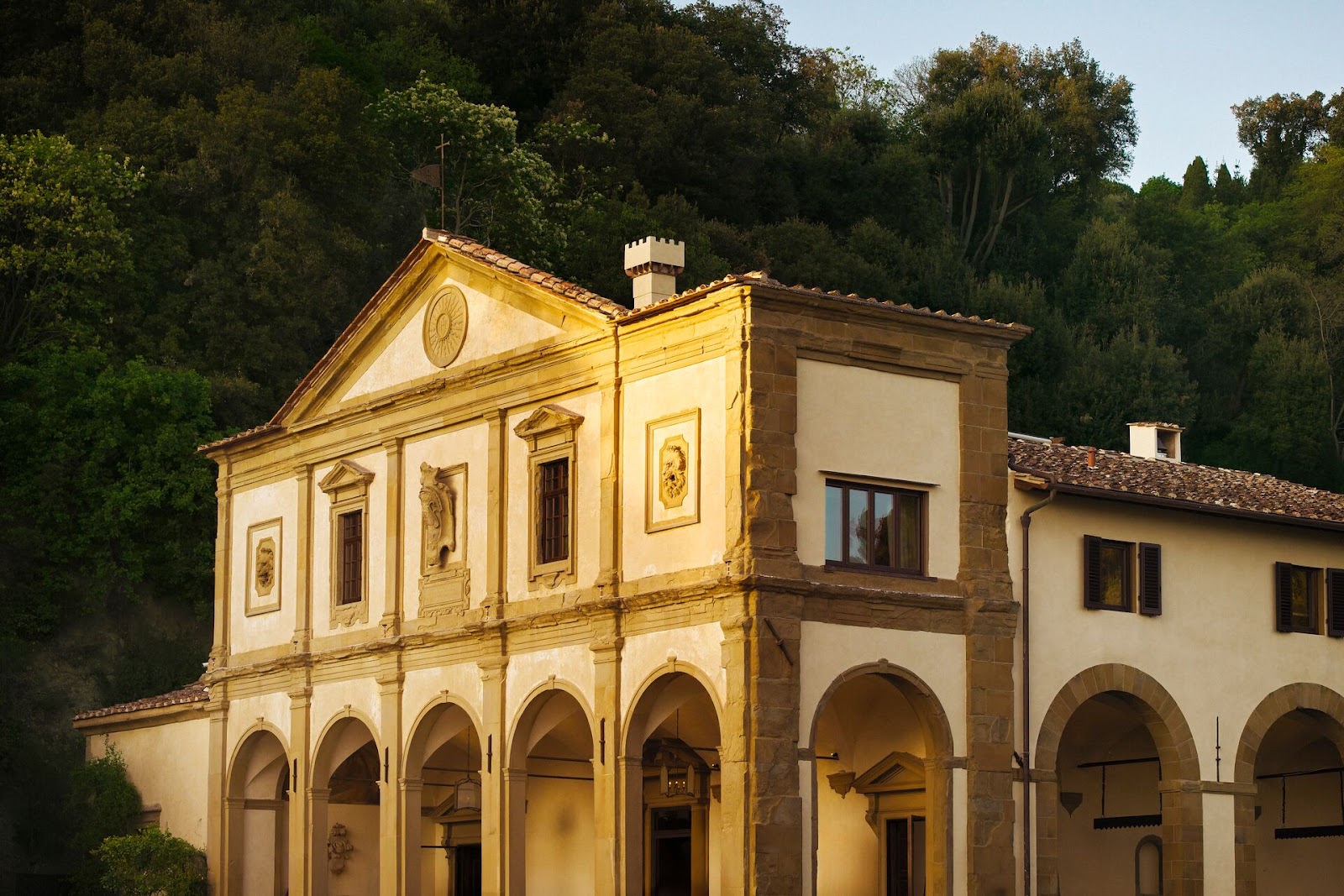
Stay: Villa San Michele, a Belmond hotel. A former monastery founded in the early 15th century for Franciscan friars, with a facade attributed to Michelangelo and 45 rooms and suites terraced into the Fiesole hillside, looking straight down onto the Duomo. It solves the endgame: free on-site parking, a courtesy shuttle that reaches the centre in about 20 minutes, and a 25-minute run to Florence airport to drop the car on departure morning. The cons are real: you are not steps from the Uffizi, late evenings in town mean the shuttle or a taxi up the hill, and its terraces command some of the highest rates in Florence.
What do ZTL zones mean for this trip?
ZTL, Zona a Traffico Limitato, is the biggest financial hazard of driving in Italy, and it is invisible until the mail arrives. Historic centres including Rome, Florence and Siena are ringed by cameras that photograph every plate crossing the boundary. Each gate is a separate fine of roughly 80 to 100 euros, a confused loop through Florence can stack several, and rental companies forward the tickets months later with an admin fee of 25 to 60 euros each. Two defences work: route around the zones entirely, as this itinerary does, or have your hotel register your plate before you cross a camera, never after.
What does the driving actually cost?
Less than most people budget, with one exception. Autostrade charge a standard car roughly 0.07 to 0.08 euros per kilometre; Rome to Naples is 13.50 euros, and the full loop comes to about 45 to 55 euros in tolls, paid by cash or contactless card. Stay out of the yellow Telepass lanes. Fuel runs about 100 euros with diesel near 2 euros a litre as of mid 2026. The exception is the rental itself: automatics are the minority in Italy and price accordingly, so reserve one explicitly and early. Non-EU licence holders, including Americans, must carry an International Driving Permit, a document rental desks rarely check but roadside police do.
Honest cons of this route
The structural weakness is the day-six transfer: five hours including a second pass of the SS163, and it cannot be split without adding a night. Leave before 9:00 and treat the Val d'Orcia arrival as the reward. The second is seasonality: the coast effectively closes in winter and Il San Pietro operates April to October, so this is not a December itinerary. Third, cost: three of the five hotels carry Michelin-starred restaurants and top-of-market rates, and July and August add peak pricing to peak traffic. Book the coast first, and downgrade the Tuscany legs before you touch the Positano nights. Finally, this route skips Venice, the Lakes and Milan on purpose; the north is better done by train anyway.
Frequently asked questions
How many days do you need for an Amalfi Coast and Tuscany road trip?
Eleven nights: two in Rome, three on the Amalfi Coast, two in the Val d'Orcia, two in Chianti and two above Florence. Nine works if you cut the Val d'Orcia leg. Any shorter and the roughly 750 kilometres of driving starts to dominate the holiday.
Should you drive the Amalfi Coast road yourself?
Drive it once, to reach your hotel, then stop. The SS163 is 40 kilometres of single-lane bends shared with buses and scooters, and Salerno to Positano can take 90 minutes or more in season. Once parked, move between towns by ferry or taxi, which is faster and far calmer.
What is the alternate plate rule on the SS163 in 2026?
The SS163 between Vietri sul Mare and Positano runs alternate-plate limits from 10:00 to 18:00 during two 2026 spring windows, March 30 to April 6 and April 24 to May 2: odd plates banned on odd dates, even on even. Hotel guests are exempt only for arrival and departure, so check the current orders before travel.
How do you avoid ZTL fines in Florence and Rome?
Never drive into a historic centre unless your hotel has registered your plate first. ZTL cameras fine roughly 80 to 100 euros per gate crossed, and rental companies add an admin fee of 25 to 60 euros per ticket months later. This itinerary avoids the problem: car-free in Rome, Fiesole instead of central Florence.
When is the best time for this itinerary?
May, June, September and early October. The coast is seasonal, and Il San Pietro di Positano operates April to October, so a winter version of this trip loses its best hotel. July and August bring the heaviest SS163 traffic and peak rates; the spring alternate-plate windows complicate Easter driving.
Do you need an International Driving Permit and an automatic car in Italy?
Drivers with non-EU licences, including Americans, must carry an International Driving Permit alongside their licence in Italy. Manual gearboxes remain the rental default, so reserve an automatic explicitly and early. Collect the car when you leave Rome rather than on arrival.
For the framework behind multi-stop trips, see our multi-destination itinerary guide. Compare the train-based city version in the two-week Europe cities itinerary, and for coast-only planning read our Amalfi Coast hotels guide.